How to Buy Clothes Without Regret, Drama, or Fake Labels
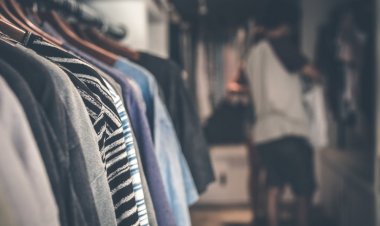
Let’s be honest—some clothes look fabulous in the store, then become tragic after one wash. Others survive years, vacations, breakups, and buffet dinners. The difference? Fabric quality, garment quality, and smart buying.
 By Noubikko for Noubi Says
NOUBI SAYS: On Fabric and Garment
Buying clothes is not just shopping—it is detective work with better lighting.
On Fabric Quality
Useful Tips Before You Fall in Love with That Outfit
✓ Read the fabric label first.
If it says “dry clean only” and you barely clean your room, think twice.
✓ Touch the fabric.
If it feels scratchy now, imagine wearing it for six hours at a wedding.
✓ Do the squeeze test.
Grab a handful, squeeze it, release it. If it wrinkles like it just heard bad news, be careful.
✓ Watch the drape.
Good fabrics flow gracefully. Bad fabrics hang like disappointed curtains.
✓ Crisp fabrics should stay crisp.
Quality linen, organza, organdy, and taffeta should look elegant—not like recycled gift wrap.
On Garment Quality
General Rule:
The price of clothing should reflect fabric, design, and workmanship.
Sometimes you pay for quality. Sometimes you pay for the logo. Learn the difference.
Things to Look For
Buttons
✓ Strong, secure, well-made buttons are signs of quality.
If one button looks nervous, walk away.
Buttonholes
✓ Clean, neat buttonholes show attention to detail.
Messy buttonholes suggest the garment gave up halfway through life.
Seams
✓ Strong, smooth seams matter.
Wide, clean seams often mean better construction.
Tiny weak seams may split during laughter, lunch, or sudden movement.
Trim
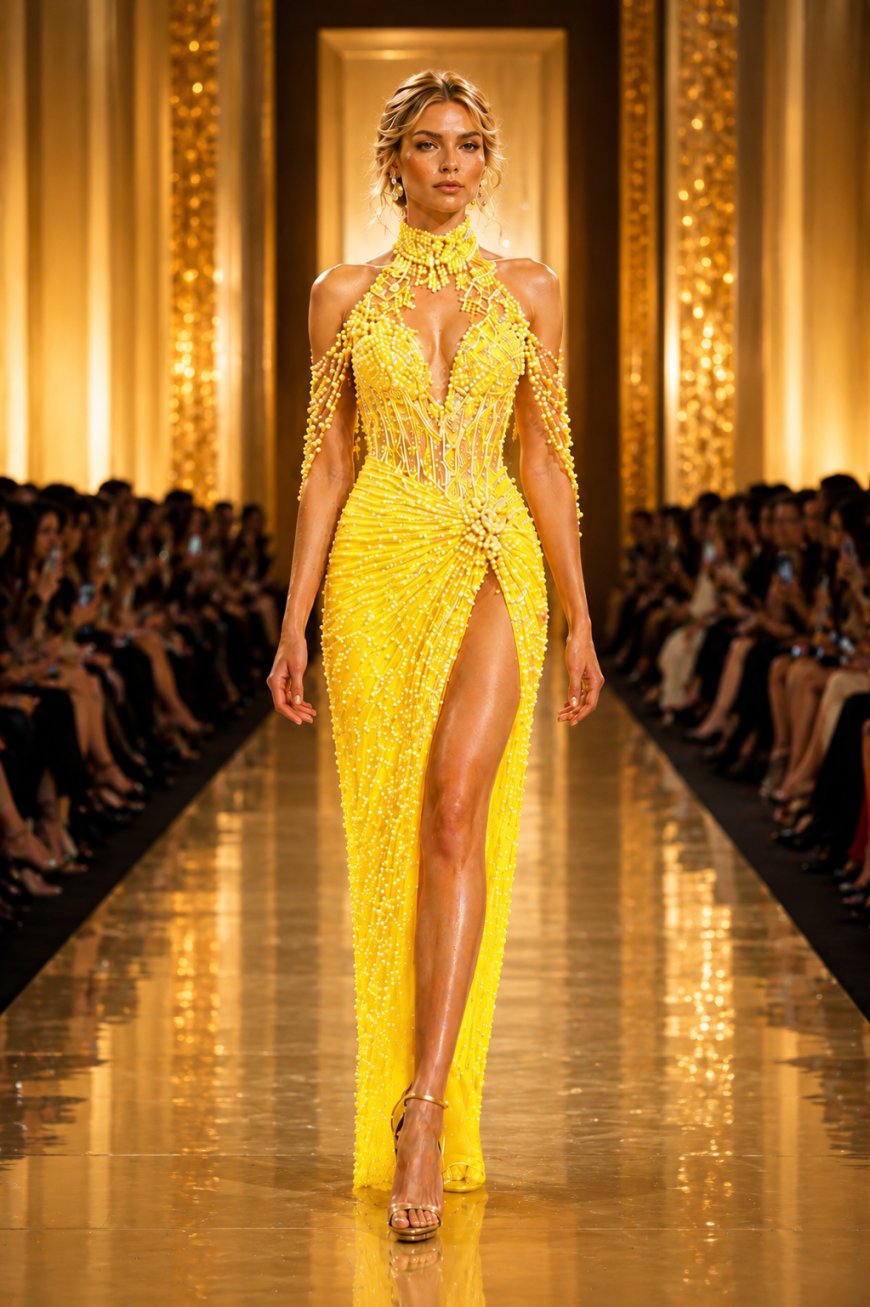
✓ Decorative trim should look intentional, elegant, and neatly finished.
If it looks glued on emotionally, skip it.
Belts
✓ Cheap stiffeners like cardboard or flimsy plastic are warning signs.
Your belt should not feel like cereal packaging.
Hem
✓ A well-finished hem hangs better and lasts longer.
Linings
✓ Good linings help garments move smoothly and fit better.
Bad linings fight back every time you walk.
Things to Remember
✓ Buy the best quality you can comfortably afford.
✓ Never ignore workmanship. Good tailoring saves money long-term.
✓ If it is too tight, it is not flattering—it is a hostage situation.
✓ Test stretch and recovery. Elasticity matters.
✓ Check if fabric may shrink, expand, fade, or bleed. Clothes should make statements, not accidents.
Fabrics That May Shrink or Expand:
Cotton, Linen, Rayon
Fabrics That May Fade or Bleed:
Silk, Cotton, Linen
Beware of Funny Labels
Designer labels can be reliable—but read carefully.
At a distance, something may look like Levi's… then up close it says Live’s.
You think it’s Yves Saint Laurent… but it reads Ives of Saint Lawrence.
You thought it was Calvin Klein… then discover OK Maternity.
Fashion can be glamorous, but eyesight helps.
NOUBI SAYS:
Before buying any garment, ask yourself three honest questions:
✓ Is the fabric worth it?
✓ Is the design flattering?
✓ Is the workmanship solid?
Then ask the most important question:
Do I truly love this—or did the mirror and lighting trick me?
If the answer is yes, buy it proudly. If not, leave it there for someone else’s lesson.