How Fashion Designing Work
Fashion design works when illusion meets reality. The designer creates the dream. The ad sells the fantasy. But you must make it work in daylight. Choose clothing that flatters your body, respects your personality, and supports your real life. Because the most stylish thing you can wear is not fashion— It is good judgment.
 By Noubikko for Noubi Says
How Fashion Designing Really Works
The Effects of Illusion and Why Some Clothes Love You… and Others Betray You
Fashion design looks glamorous from the outside.
People imagine designers sipping espresso, sketching dramatic outfits, saying mysterious things like, “This season we celebrate structured melancholy in chartreuse.”
But in reality, fashion design is a clever mix of:
- Art
- Psychology
- Business
- Proportion
- Marketing
- Human insecurity
- And fabric that wrinkles at the worst possible moment
Designers create fashion they believe people will want. Sometimes they are right. Sometimes they create trousers no one requested.
Advertising agencies and fashion magazines then step in to stimulate your imagination. They make you believe:
- This jacket will change your destiny
- These shoes will improve your social life
- This bag will give you inner peace
- This scarf belongs in the Alps
But the final decision still belongs to you.
Because fashion is sold emotionally—but worn physically.
The Real Secret: Fashion Is Illusion
Clothing does not change your bones.
It changes how the eye sees them.
That is the magic of design.
Fashion uses lines, color, fit, texture, proportion, and placement to create visual illusions.
Done correctly, clothing can make you appear:
- Taller
- Slimmer
- Stronger
- Softer
- More elegant
- More youthful
- More expensive than your bank account suggests
Done badly, clothing can make you look:
- Wider
- Shorter
- Tired
- Confused
- Box-shaped
- Like you dressed in the dark during an emergency
How Designers Use Illusion
1. Lines Change Shape
Vertical lines:
Create height and slimness.
Examples:
- Long coats
- Pinstripes
- Open jackets
- Center seams
Horizontal lines:
Create width and balance.
Examples:
- Broad stripes
- Wide lapels
- Belts
- Color-blocking across the body
NOUBI SAYS: Lines are silent architects.
2. Color Changes Size
Dark colors usually recede and slim.
Light colors draw attention and expand visually.
Bright colors shout.
Muted colors converse politely.
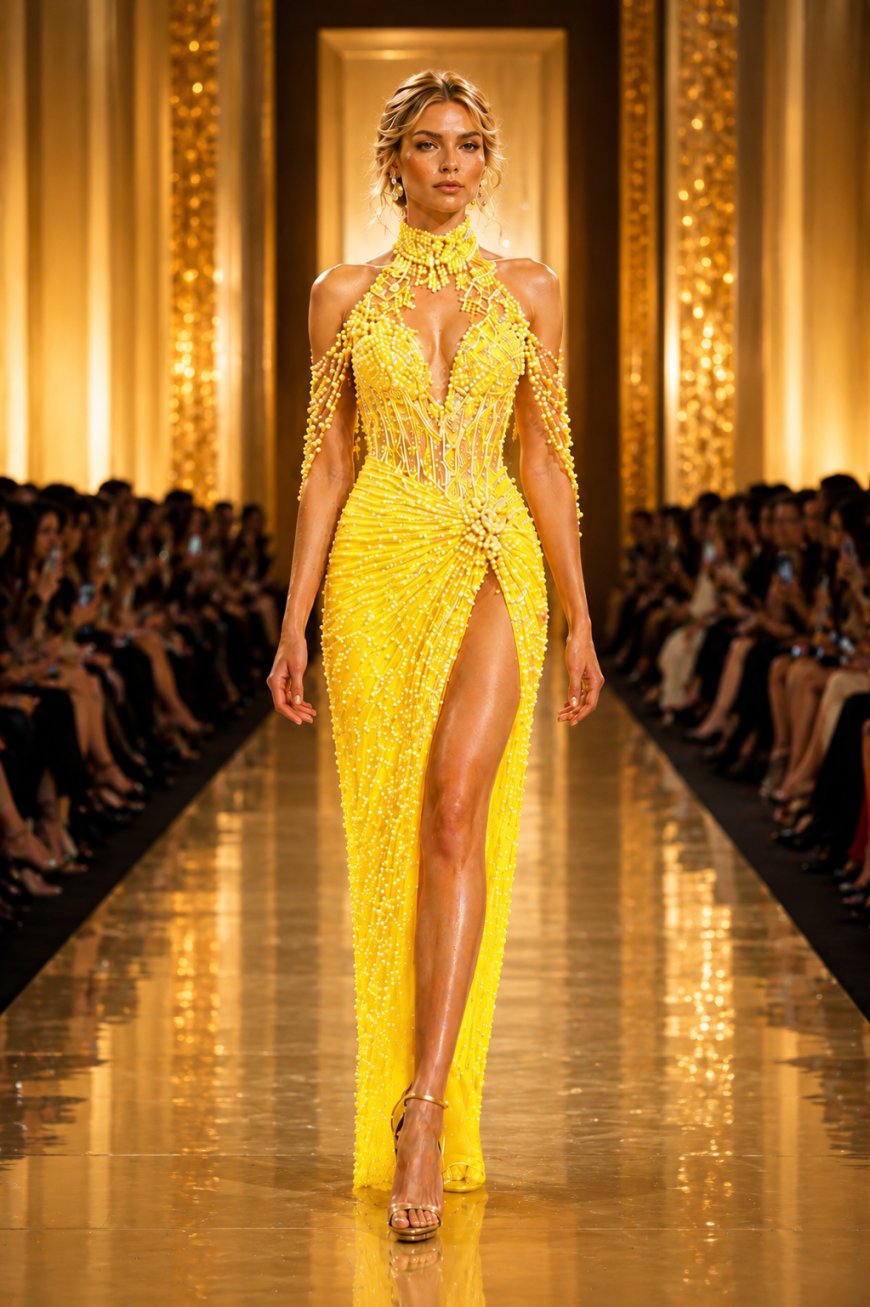
If you wear neon yellow trousers, expect a reaction.
3. Fit Changes Everything
Even expensive clothing fails when the fit is wrong.
Too tight says struggle.
Too loose says surrender.
Perfect fit says confidence.
Tailoring is often more powerful than brand names.
4. Fabric Changes Presence
Stiff fabrics create structure.
Soft fabrics create movement.
Heavy fabrics add substance.
Thin clingy fabrics tell too many secrets.
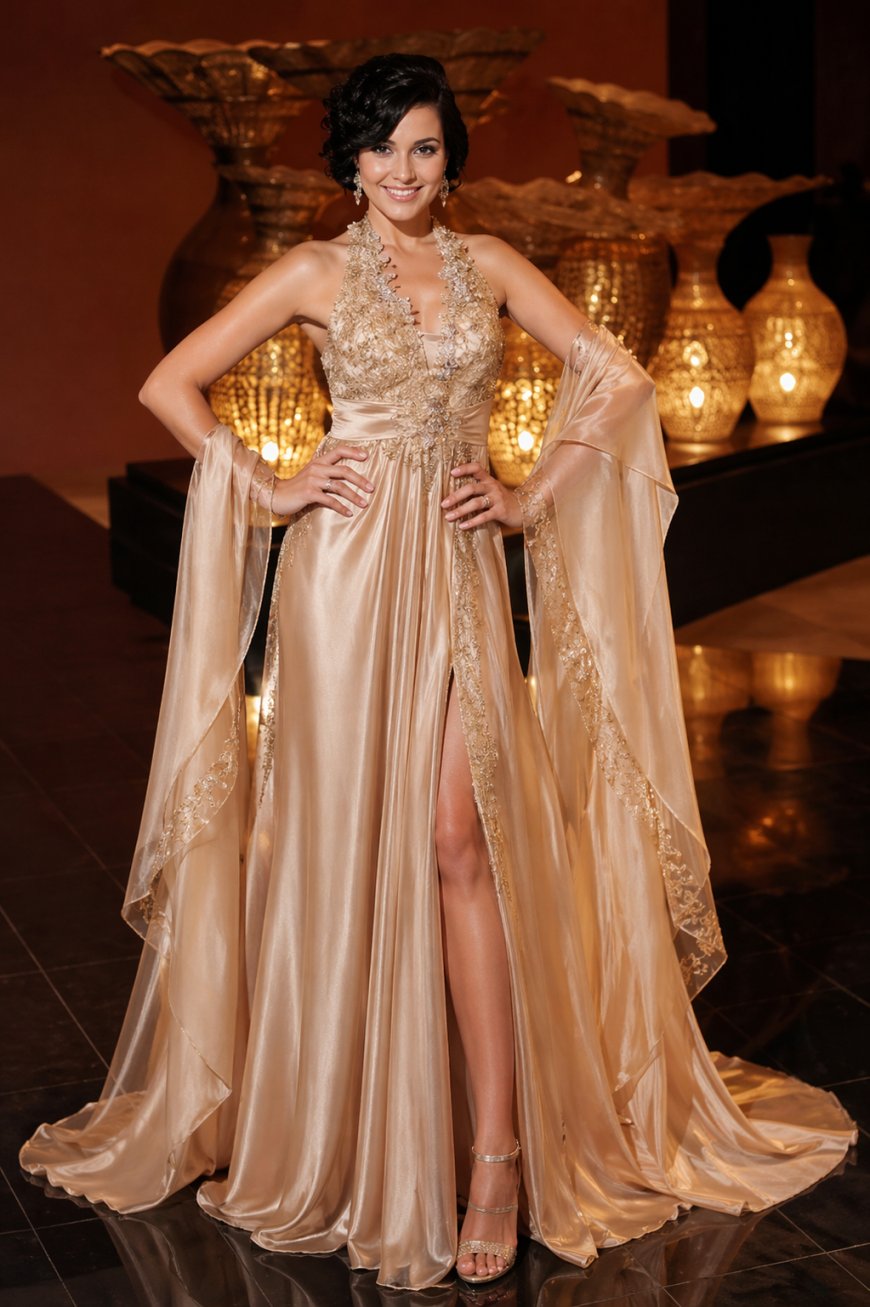
Choose fabric based on what you want to express.
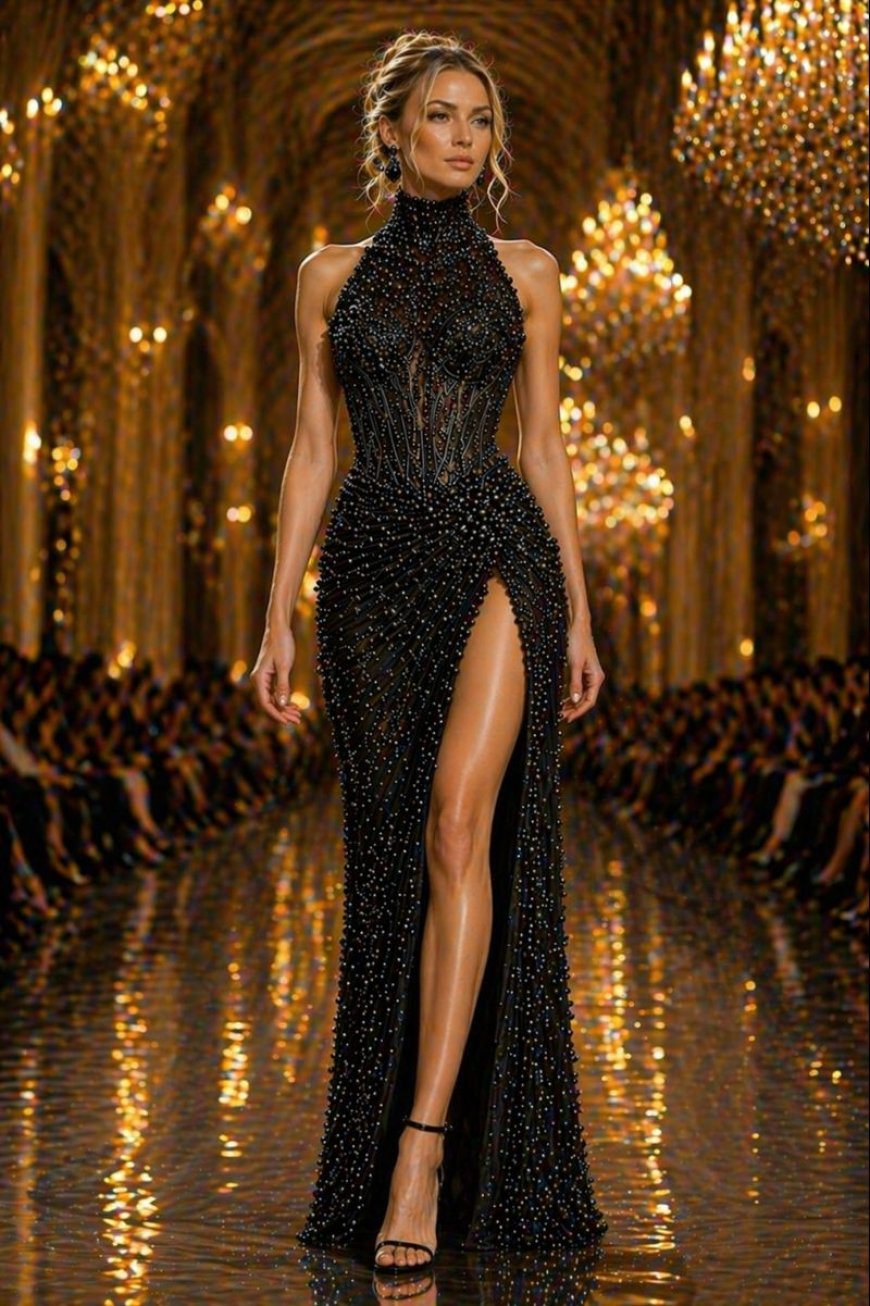
Why Models Fool You
Many fashion mistakes happen because people buy clothes based on how they look on models, celebrities, influencers, or suspiciously happy mannequins.
Let us be realistic.
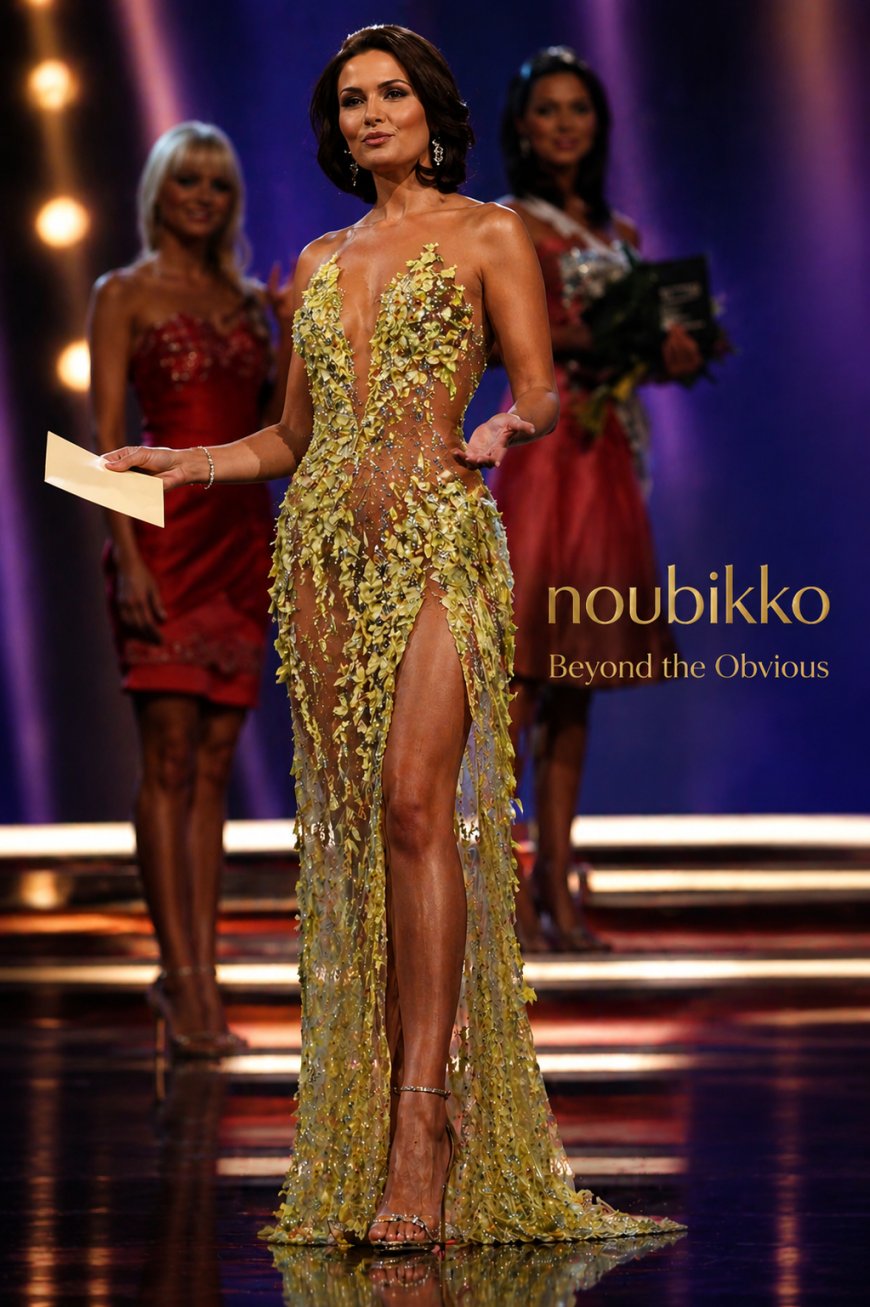
Models are styled by professionals, lit by experts, photographed strategically, edited carefully, and often genetically blessed.
You, meanwhile, are standing under fluorescent lighting in a fitting room wearing one shoe.
That is not the same environment.
NOUBI SAYS: Never compete with a photoshoot.
Why Personality Matters More Than Trends
A dramatic outfit on a shy person can look uncomfortable.
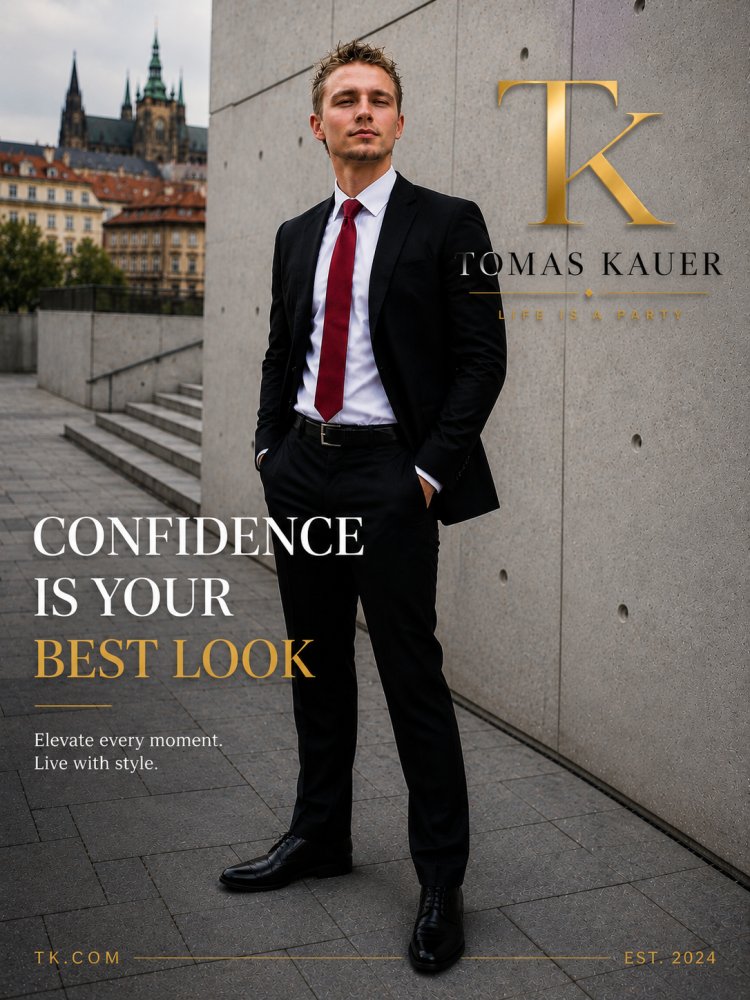
A simple outfit on a confident person can look magnificent.
That is because style is not just clothing.
It is clothing + posture + grooming + personality + energy.
Your body, personality, and wardrobe must work together like a team.
If one part is fighting the others, people notice.
Harmony Is the Real Standard
People do not judge clothes piece by piece.
They judge the whole picture:
- Hair
- Face
- Grooming
- Fit
- Shoes
- Body language
- Attitude
- Confidence
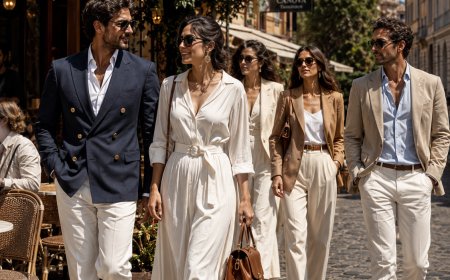
Someone wearing basic clothes with elegance often wins over someone wearing designer chaos.
Smart Fashion Rules for Real People
Know Your Body
Dress the shape you have, not the one you argue with privately.
Know Your Personality
If you hate attention, avoid clothing that screams.
Know Your Lifestyle
If you walk a lot, buy shoes that cooperate.
Know Your Budget
Three good pieces beat fifteen regrettable ones.
Know Your Mirror
The mirror is honest when your friends are too kind.
Funny But True Fashion Truths
✓ If you cannot sit in it, it is sculpture.
✓ If you need help breathing, size up.
✓ If strangers stare, ask whether it is admiration or concern.
✓ If it only works in photos, it is not practical fashion.
✓ If the hanger wore it better, move on.
NOUBI SAYS:
In choosing style, remember this:
Your body depends on your clothing, your clothing depends on your personality, and your personality depends on how confidently you wear it all.
The best image happens when everything is in harmony.People read fashion as a whole—not as separate parts.