Business Etiquette in Different Countries
Your Handshake Is Not an International Language
 By Noubikko for Noubi Says
International business requires more than a passport, a polished suit, and confidence. It requires the wisdom to understand that what appears professional in one country may appear aggressive, casual, confusing, or slightly ridiculous in another.
Business etiquette varies widely.
In some cultures, people value direct communication and quick decisions. In others, relationships must develop before serious negotiations begin. Some countries treat punctuality as a sign of respect. Others consider schedules more flexible, although arriving late without explanation is rarely the charming cultural gesture people imagine it to be.
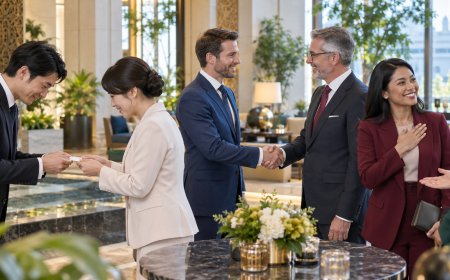
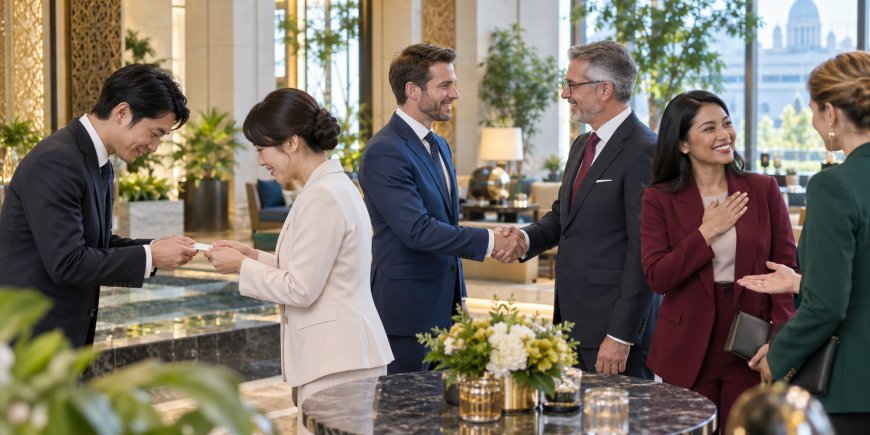
Learn how people greet one another. A handshake may be expected, but its firmness and length can differ. In some places, a bow is more appropriate. Titles may matter greatly, particularly when addressing senior executives, government officials, or academics.
Business cards can also carry significance. In certain cultures, they are presented and received carefully, sometimes with both hands. Stuffing someone’s card immediately into your back pocket may communicate more than you intended.
Dining etiquette is another adventure. Observe the host. Wait before ordering, drinking, or beginning the meal. Avoid criticising unfamiliar food. You are visiting to build relationships, not to deliver an international review of the soup.
Dress conservatively until you understand the environment. It is easier to remove a tie than to explain why you arrived at a formal meeting dressed for a rooftop party, Noubikko said.
Cultural intelligence does not mean memorising every custom perfectly. It means researching, observing, asking respectful questions, and recognising that your normal behaviour is not the universal standard.
Noubi Says: The sophisticated traveller is not the person who knows everything. It is the person who notices, listens, and does not begin eating before the host.