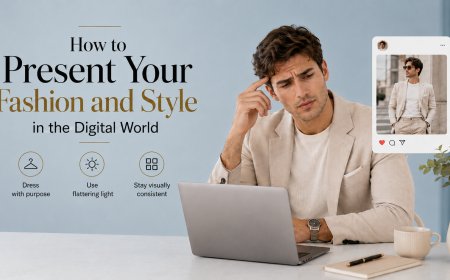
How to Present Your Fashion and Style in the Digital World
In the past, presenting your style was relatively simple. You dressed well, entered the room, stood straight, smiled politely, and hoped nobody noticed that your shoes were slightly uncomfortable. Today, the room is digital.
 By Noubikko for Noubi Says
You may be presenting yourself through a profile photograph, LinkedIn page, website, social media account, video interview, Zoom meeting, online article, or AI avatar.
And unlike a real room, the internet can freeze your face at the worst possible moment and keep it there indefinitely.
This is why presenting fashion and style digitally requires more than wearing good clothes. You must also consider the camera, lighting, background, posture, branding, and the mysterious ability of technology to make an expensive jacket look like it came free with a hotel curtain.
Decide What You Want Your Style to Say
Before choosing an outfit, decide what impression you want to create.
Do you want to appear professional, elegant, creative, approachable, powerful, modern, relaxed, or mysterious?
Your clothes should support that message.
A tailored navy jacket may communicate trust and professionalism. Black can suggest authority, elegance, and creative confidence. White can appear clean and direct. Softer colors may make you look more welcoming.
But do not attempt to communicate every possible quality at once.
If your outfit says corporate executive, rock musician, spiritual adviser, luxury traveler, and weekend gardener, people may admire your versatility—but they may not know what you actually do.
Choose a clear visual direction.
Wear Clothes That Fit the Screen
An outfit can look excellent in the mirror and completely different on camera.
The camera notices things that polite friends ignore.
It notices the collar that refuses to sit properly. It notices sleeves that are too long. It notices the shirt pulling across the stomach. It notices the small piece of lint that suddenly becomes the main character of the interview.
Fit is more important than price.
A simple shirt that fits correctly will usually look better online than an expensive designer jacket that appears to be negotiating with your shoulders.
Before recording or taking photographs, sit down, stand up, move your arms, and look at yourself from different angles.
Clothing should remain comfortable and controlled when you move.
Choose Colors That Work With Your Background
Color is one of the strongest elements of digital presentation.
If you wear black in front of a black background, your body may disappear completely. Viewers will see a floating head speaking confidently about leadership.
This can be dramatic, but perhaps not ideal for LinkedIn.
Dark clothing usually works well against light backgrounds. Light clothing can stand out against darker or richer interiors. Neutral colors are generally safe, while bold colors should be used carefully.
Avoid wearing exactly the same color as the wall unless your goal is camouflage.
Be Careful With Patterns
Patterns can behave strangely on video.
In person, the shirt may look sophisticated.
On video, it may appear to be experiencing technical difficulties.
Solid colors are often the safest choice for interviews, video presentations, and profile photographs. Subtle texture can add interest without distracting from your face.
The viewer should remember your message, not spend the entire video wondering whether your jacket is moving.
Make Your Face the Main Focus
Fashion should frame the face, not compete with it.
A clean shirt, properly shaped jacket, or simple turtleneck can create a strong frame around the face.
Very large accessories, shiny fabrics, loud jewelry, or oversized logos can pull attention away from what you are saying.
You may be explaining an important business idea, but if your necklace is reflecting light directly into the camera, the audience may remember only the emergency signal coming from your chest.
Use a Signature Style
Digital recognition becomes stronger when people repeatedly see a recognizable visual element.
- a black turtleneck
- distinctive eyeglasses
- a tailored jacket
- a consistent hairstyle
- a particular color
- a red accent
- a clean minimalist wardrobe
A signature style helps people identify you quickly.
Some people open their wardrobe and ask, “Who do I want to be today?”
A person with a signature style opens the wardrobe and says, “There I am.”
The objective is not to wear exactly the same outfit forever. It is to maintain a visual identity that feels consistent.
Present the Same Person Across Platforms
Your style should remain connected across your website, LinkedIn profile, social media pages, videos, interviews, and avatar.
You can adjust the level of formality, but the identity should remain recognizable.
For example, your LinkedIn photograph may show you in a tailored jacket. Your casual video may show you in a black shirt. Your interview may feature a turtleneck and eyewear.
The outfits are different, but the overall character remains the same.
LinkedIn shows a serious executive.
Instagram shows a beach philosopher.
YouTube shows an international spy.
The company website shows a photograph from 2009.
Dress According to the Platform
Different digital platforms require different styles.
A LinkedIn profile usually benefits from a polished and professional image.
A personal website may allow more creativity and personality.
Social media can feel relaxed and spontaneous, although “spontaneous” should not mean photographed while searching for your slippers.
Video interviews require clothing that looks good while seated and moving.
Of course, you should still wear proper trousers.
Your Background Is Part of Your Outfit
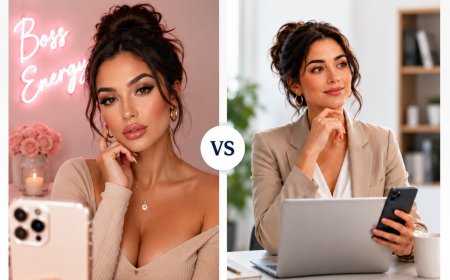
In digital presentation, the background becomes part of your style.
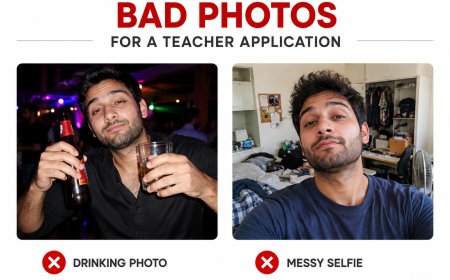
A beautiful outfit can lose its effect in front of an untidy room, an unmade bed, or a collection of plastic bags hanging from a door.
A bright office can communicate professionalism. A library may suggest intelligence. A garden can appear relaxed and approachable. A stylish hotel lobby can suggest travel and sophistication.
You want people to believe you work there, not that you entered a furniture showroom and refused to leave.
Lighting Can Improve or Destroy Everything
Good lighting makes clothes look richer, skin look healthier, and the entire presentation appear more professional.
Bad lighting can turn navy into black, white into grey, and your face into evidence from a crime documentary.
Natural light is often flattering, especially when it comes from in front of you.
Also avoid harsh overhead lighting, which may create shadows that suggest you have not slept since the invention of email.
The camera should show the texture and shape of your clothes clearly without making the fabric look shiny or flat.
Posture Is Part of Style
A beautiful outfit cannot fully compensate for poor posture.
Posture affects how the clothing falls on the body. It also affects how confident and energetic you appear.
A tailored jacket looks very different on someone sitting upright than on someone slowly becoming part of the sofa.
Good posture does not mean looking stiff.
Grooming Must Match the Outfit
Digital style includes hair, skin, facial hair, glasses, and general grooming.
The camera tends to exaggerate shine, loose hair, dry skin, and uneven details. This does not mean you must look perfect. It means you should look prepared.
Eyeglasses should be clean.
This sounds obvious until a high-definition camera reveals several fingerprints, a small cloud, and what appears to be yesterday’s lunch.
Check the details before going online.
Your Avatar Should Still Look Like You
AI avatars are becoming part of modern personal branding.
However, the avatar’s fashion should reflect your actual style.
If you are known for elegant black clothing, tailored jackets, and distinctive eyeglasses, your avatar should preserve those elements.
Do not create an avatar that looks twenty-five years younger, seven inches taller, and dressed like a Scandinavian pop star unless you are prepared to explain the transformation when people meet you.
Enhancement is understandable.
The avatar should be an improved digital version of you—not a distant relative nobody has met.
Avoid Looking Too Perfect
Digital presentation should look polished, but not artificial.
People appreciate refinement, but they also appreciate authenticity.
A face with absolutely no texture may cause viewers to wonder whether you are a person, a wax figure, or the latest software update.
The best digital image should still resemble you when the camera is turned off.
Repeat What Works
Once you discover a style that looks effective online, develop it.
This repetition creates familiarity.
The world’s strongest personal brands are often based on simple, consistent choices.
People remember what they see repeatedly.
If you are known for minimalist black clothing and suddenly arrive online wearing a bright orange suit covered in tropical birds, your audience may assume you lost a bet.
Style Should Support the Message
The purpose of digital fashion is not to distract people with clothes.
Your outfit should help people understand who you are. It should support your profession, personality, and message.
The viewer may not consciously notice every detail.
That is the real success of digital style.
Because today, before you enter the room, your photograph, profile, video, website, and avatar may already be there.
— Noubi Says