
Romantic Getaways: Love, Luggage, and the Art of Traveling Together
Romantic travel always looks effortless in photographs. A couple walks beside the sea at sunset. They laugh over dinner. Their hotel room has flowers, candles, and a balcony overlooking something magnificent. Nobody is arguing about directions, missing chargers, delayed luggage, room temperature, or why one person packed eight pairs of shoes for a three-day trip.
 By Noubikko for Noubi Says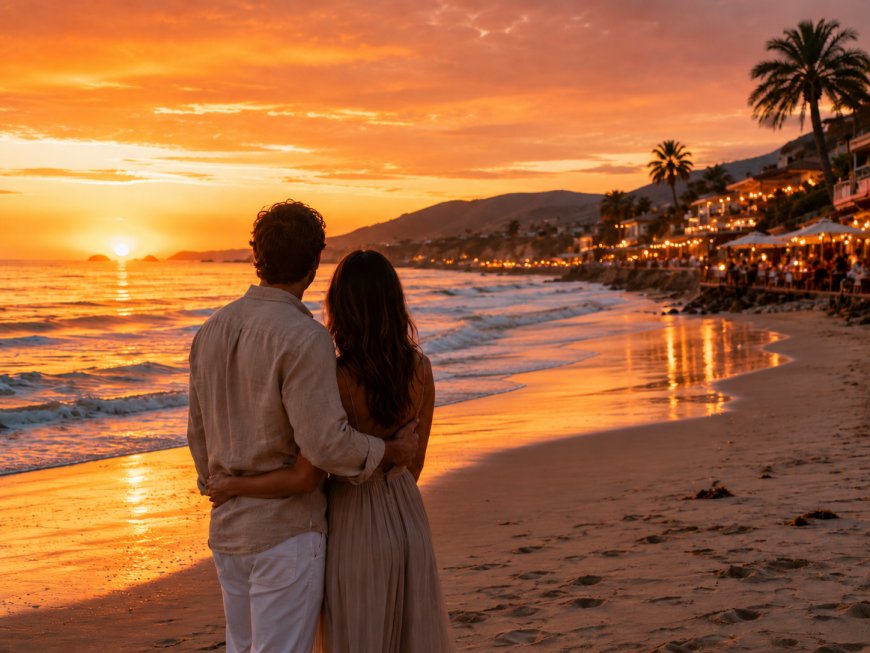
Real romantic travel is slightly more complicated.
It can be beautiful, exciting, intimate, funny, and occasionally revealing in ways no relationship book could ever manage.
You may learn that the person you love snores in unfamiliar hotels, takes forty minutes to choose breakfast, considers three hours “plenty of time” to reach the airport, or believes every restaurant recommendation from a stranger carrying a laminated menu.
A romantic getaway is not simply about finding the perfect destination.
It is about learning how to enjoy that destination together without requiring separate return flights.
Choose Romance That Actually Suits You
Not every couple finds the same things romantic.
For some, romance means a private villa beside the sea. For others, it is a historic city, a mountain cabin, a vineyard hotel, a river cruise, or a quiet inn where nobody knows them and breakfast lasts until noon.
One person may dream of museums, architecture, and candlelit dinners. The other may dream of a beach chair, silence, and not being asked to visit another cathedral.
Both dreams are valid.
The mistake is assuming that one person’s perfect romantic escape will automatically become the other person’s.
Before booking, discuss what each of you wants from the trip.
Do you want rest or activity? Privacy or nightlife? Nature or culture? Fine dining or street food? A strict itinerary or the freedom to wake up without knowing what day it is?
A romantic destination should reflect both people.
Otherwise, one person experiences a dream holiday while the other becomes an unpaid assistant carrying bags and pretending to admire the fifth antique shop.
Compromise is not unromantic.
It is often the reason the relationship survives the weekend.
Honeymoons Should Not Require Recovery
Honeymoons are often planned with enormous expectations.
After months of wedding preparation, family discussions, seating arrangements, clothing fittings, and emotional diplomacy, couples finally leave for what is supposed to be the most romantic trip of their lives.
Then they schedule six cities in ten days.
A honeymoon should not feel like a competitive travel documentary.
You do not need to visit every monument, restaurant, island, museum, mountain, and historic village while still recovering from the wedding.
Choose a pace that allows sleep, conversation, and actual enjoyment.
A beautiful honeymoon may involve one destination rather than five. It may mean late breakfasts, long walks, spa afternoons, quiet dinners, and enough unplanned time to remember why you married each other.
The honeymoon is not a test of endurance.
Nobody awards a medal for reaching seven countries before the thank-you cards are sent.
Anniversary Trips Carry Their Own History
An anniversary getaway is different from a honeymoon.
They know who loses passports, who overpacks, who becomes hungry without warning, and who insists that “we can walk” shortly before discovering that the hotel is three kilometers uphill.
Anniversary travel can celebrate more than romance.
It can honor survival, friendship, shared memories, difficult years, family milestones, and all the ordinary days that brought two people to the next chapter.
Some couples return to the place where they first traveled together. Others choose somewhere entirely new to mark how far they have come.
The best anniversary destinations create space for reflection without becoming too ceremonial.
You do not need to spend every moment discussing the relationship beneath candlelight.
Sometimes love is simply sharing dessert, laughing about old mistakes, and quietly agreeing not to mention the luggage incident from 2017.
Intimate Weekends Do Not Need a Passport
A romantic getaway does not always require an international airport, currency exchange, or a suitcase large enough for a European relocation.
A nearby coastal town, countryside inn, mountain retreat, historic district, or elegant city hotel can provide just as much romance as a distant destination.
The key is interruption.
A short escape should feel different from ordinary life. It should remove routines, responsibilities, and the endless small tasks that make couples speak mostly in reminders.
“Did you pay the bill?”
“Where is the charger?”
“Can you buy toothpaste?”
These are important questions, but they rarely create poetry.
A weekend away allows couples to rediscover conversation that is not about errands, work, relatives, or appliances making suspicious noises.
Choose somewhere easy enough to reach that the journey does not consume the entire trip.
A two-night escape should not involve fourteen hours of travel, three connections, and one ferry that operates only when the captain feels optimistic.
Romance needs time.
The Hotel Can Change the Mood
Accommodation matters more during a romantic trip than during many other kinds of travel.
A room becomes part of the experience.
Look for privacy, atmosphere, good service, comfortable bedding, flattering lighting, and a view whenever possible.
A balcony, terrace, fireplace, garden, deep bathtub, or quiet sitting area can transform an ordinary stay into something memorable.
The room does not need to be enormous.
It simply needs to feel special.
“Intimate room” may mean charming and private.
“Romantic bathroom concept” may mean a beautiful freestanding tub.
Study photographs carefully.
Pack for Romance, Not a Fashion Emergency
Romantic travel is a good opportunity to dress well.
Choose clothing that suits the destination and works for several situations. A well-cut jacket, elegant dress, refined trousers, polished shoes, beautiful scarf, or smart casual outfit can move from sightseeing to dinner without requiring a full costume change.
Bring at least one outfit that makes you feel attractive.
Romance is helped by confidence.
It is less helped by discovering that the only dinner outfit requires shoes you cannot walk in and a garment that must be steamed for forty-five minutes.
Coordinate enough to look harmonious without appearing as though the hotel hired you as entertainment.
Matching outfits can be charming.
Pack thoughtfully, but leave room for spontaneity.
Or your partner may shop while claiming they only want to “look for five minutes,” which is one of travel’s oldest and least reliable promises.
Plan Romance, but Do Not Overmanage It
Some romantic moments should be planned.
Overplanning can make romance feel like a corporate retreat.
Breakfast at 8:00. Museum at 9:15. Kiss beside fountain at 10:30. Emotional connection before lunch.
Leave open space.
Some of the best travel memories come from unexpected discoveries: a quiet café, a beautiful street, a musician in a square, a small restaurant, or a conversation that continues because neither person needs to be anywhere else.
Romance requires attention.
Food Can Create Romance or Start Negotiations
Meals are central to romantic travel.
Choose restaurants for atmosphere as well as reputation.
A famous dining room may be impressive but so formal that both people spend the evening afraid to touch anything. A small local restaurant with warm service and a terrace may feel far more intimate.
Discuss food preferences before booking a tasting menu with twelve courses, especially when one person does not eat seafood, mushrooms, dairy, meat, onions, or anything described as “surprising.”
Sharing dishes can be romantic.
Order enough food.
Photographs Should Capture the Trip, Not Control It
Couples often want beautiful photographs from romantic destinations.
There is nothing wrong with that.
One person is no longer a partner. They are a photographer, lighting assistant, stylist, and emotional support team.
“Take another one.”
“My eyes were closed.”
Nothing destroys natural behavior more efficiently than being repeatedly instructed to look natural.
Take photographs, but also put the phone away.
Not every sunset needs documentation from twelve angles. Not every meal needs to cool while being photographed. Not every affectionate moment needs an audience.
The strongest memory may be the moment no one posted.
Privacy is still one of romance’s finest luxuries.
Traveling Together Reveals Everything
Travel exposes habits that remain hidden at home.
It shows how a person handles stress, hunger, delays, unfamiliar places, poor Wi-Fi, and hotel rooms with only one suitable charging outlet.
Some people become calm and practical.
Others react to a missed train as though civilization has collapsed.
A romantic trip requires patience.
Flights are delayed. Weather changes. Reservations disappear. Rooms are not always what the photographs promised. Someone may become tired, irritable, or suddenly convinced they are becoming ill after eating one unfamiliar sauce.
Do not allow small problems to become the central story.
Solve what can be solved. Laugh when possible. Rest when needed.
Learn the Art of Separate Moments
Being on a romantic getaway does not require spending every minute together.
One person may want to shop while the other visits a museum. One may prefer a massage while the other takes a walk. One may want to sleep late while the other photographs the city at sunrise.
A little independence can improve the trip.
Even swans occasionally swim in different directions.
Money Should Be Discussed Before It Becomes Unromantic
Romantic travel involves spending, and spending can become uncomfortable when expectations are unclear.
Discuss the budget before the trip.
One person may consider a luxury suite essential. The other may see it as an expensive place to sleep with decorative cushions.
A candlelit dinner becomes less romantic when the bill arrives and both people stare at it as though it contains legal accusations.
Luxury should be intentional.
A picnic with a beautiful view may be more romantic than a restaurant where the portions are tiny and the waiter explains each leaf for ten minutes.
Do Not Expect the Destination to Repair the Relationship
A beautiful place can create space for closeness.
A couple who is not communicating at home may still struggle in Santorini, Paris, Venice, or any destination equipped with balconies and flattering sunset light.
Romantic travel can support a healthy relationship.
If every conversation becomes an argument, the problem may not be the hotel, weather, or restaurant.
Sometimes, the view is perfect and the timing is not.
The destination provides the setting.
The Most Romantic Moments Are Often Simple
Grand gestures can be beautiful.
But romance often appears in smaller ways.
It is remembering a preference, noticing tiredness, choosing kindness during inconvenience, and laughing together when plans collapse.
Romance is not always dramatic.
Return With a Better Story
The finest romantic getaway is not necessarily the most glamorous.
You may remember the hotel, the sunset, the food, the architecture, or the view.
Traveling with someone you love is not always effortless.
You discover how to make decisions together, recover from inconvenience, share space, and create memories from circumstances that were not included in the brochure.
It is choosing someone with whom even the complicated journey becomes a story worth telling.