
Hotels with Character: Stay Somewhere That Has Something to Say
Some hotels are comfortable, efficient, and completely forgettable. The room is beige. The corridor is beige. The restaurant is beige in spirit, even when the vegetables are green. You sleep, shower, check out, and within two weeks you cannot remember whether the hotel was in Brussels, Boston, or beside an airport outside Frankfurt. Then there are hotels with character.
 By Noubikko for Noubi Says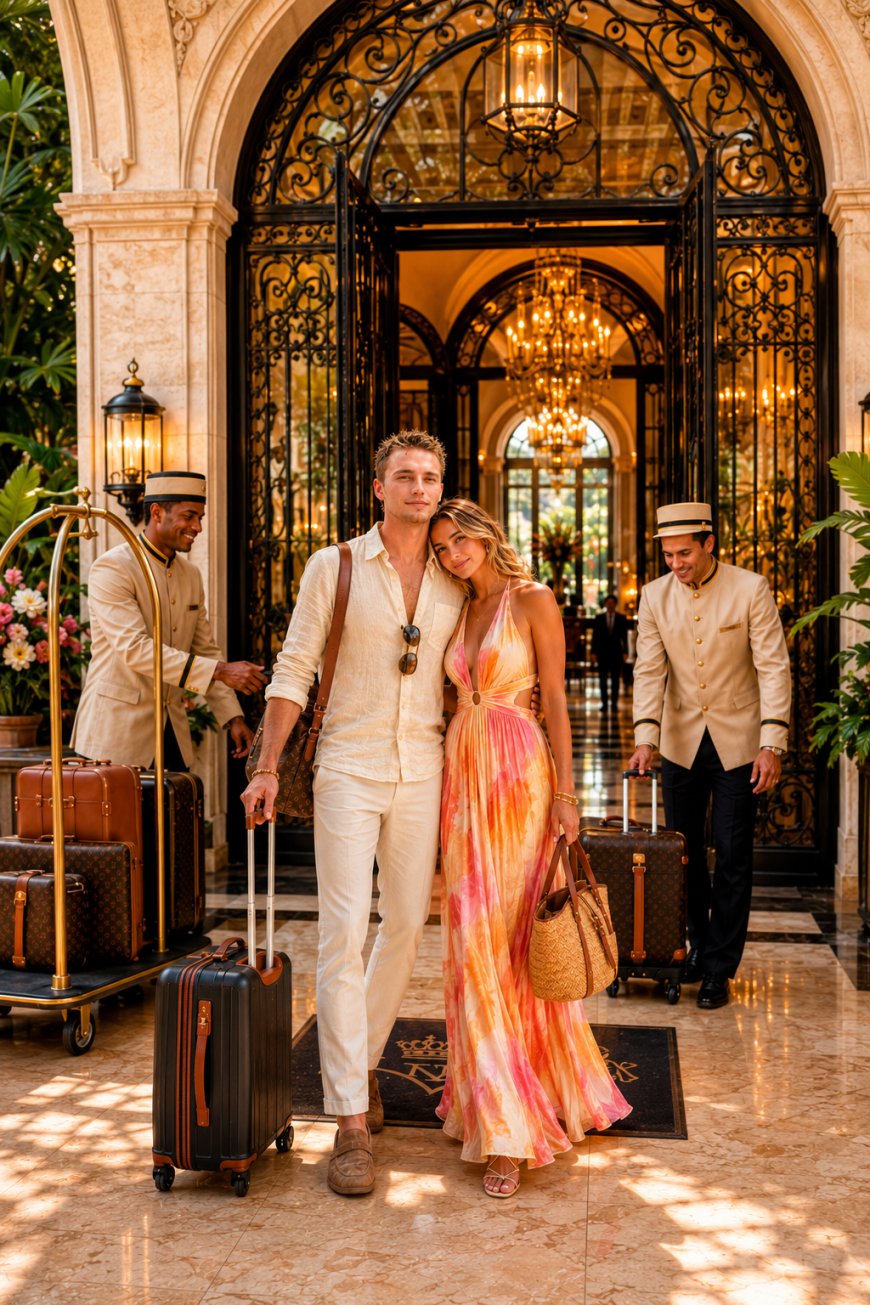
These are the places that make you stop in the lobby, admire the staircase, study the architecture, ask about the building’s history, and quietly consider changing your departure date.
They may be historic grand hotels, intimate inns, designer properties, converted monasteries, restored mansions, castles, railway stations, factories, lighthouses, or unusual accommodations created by people with imagination.
A hotel with character gives you more than a room.
Historic Hotels: Beautiful Pasts With Modern Plumbing
Historic hotels often possess an atmosphere that new buildings cannot easily reproduce.
You may enter through carved wooden doors, walk beneath painted ceilings, climb a staircase worn smooth by generations, or open windows overlooking a square that has witnessed centuries of celebrations, revolutions, romances, and public arguments.
Perhaps the building was once a palace, convent, merchant’s residence, railway hotel, or aristocratic home.
Its rooms may have welcomed artists, diplomats, politicians, writers, lovers, and guests whose behavior was wisely excluded from official records.
History gives a hotel depth.
A historic property still needs comfortable beds, reliable plumbing, proper heating, effective air conditioning, working locks, and electrical outlets located somewhere accessible to human beings.
Romance disappears quickly when the shower produces only cold water and the only socket is hidden behind a wardrobe last moved in 1892.
The finest historic hotels preserve the building’s soul while acknowledging that modern guests travel with phones.
Designer Hotels: Creativity Without Emotional Confusion
Designer hotels are created to make an impression.
At their best, designer hotels are imaginative, comfortable, and distinctive.
A chair may look extraordinary in photographs but punish anyone who attempts to use it. A bathroom may be beautifully open-plan until two travelers discover that privacy has been removed for aesthetic reasons.
The lighting controls may consist of twelve unmarked buttons beside the bed.
Good design should make a stay more beautiful and functional.
Romantic Inns: Charm Without Floral Hostility
Romantic inns offer intimacy.
The owner may greet you personally. Breakfast may be served beside a fireplace or in a garden. Rooms may have names instead of numbers, which is charming until you forget whether you are staying in “The Rose” or “The Countess.”
Small inns often provide warmth, individuality, and personal service.
But the word “romantic” is sometimes used very generously.
A tiny room with aggressive floral wallpaper, one squeaking bed, and a bathroom across the corridor is not automatically romantic.
It may simply be old and covered in roses.
Unusual Accommodations Should Remain Accommodating
Some travelers want to sleep somewhere unexpected.
These properties can transform a simple overnight stay into a lasting story.
A treehouse should provide the pleasure of nature without requiring guests to negotiate continuously with insects. A castle should feel historic without making central heating seem like a distant fantasy.
A glass cabin should offer dramatic scenery while remembering that privacy remains a human preference.
An unusual property must still provide a good bed, functioning bathroom, safe access, and instructions that do not begin with, “After sunset, follow the rope.”
Adventure is attractive.
Architecture Should Belong to the Place
The architecture of a hotel can shape the entire journey.
A grand entrance creates drama. A courtyard offers peace. Tall windows frame a city. Stone walls add permanence. A terrace overlooking rooftops, sea, mountains, vineyards, or countryside may become the strongest memory of the stay.
A hotel’s architecture should connect it to the destination.
Contemporary hotels can be equally memorable.
Too many international properties could be lifted from one country and dropped into another without disturbing a single cushion.
Personality Lives in Small Details
Character is often created through small choices.
These details reveal whether the hotel understands itself.
A property with personality does not need to overwhelm guests with decoration. Sometimes, one carefully selected object says more than an entire lobby crowded with expensive furniture competing for attention.
Local crafts, regional fabrics, antiques, photographs, food, and materials can connect guests with the place.
Even humor can help.
Personality cannot be mass-produced easily.
Service Turns Character Into Hospitality
Beautiful architecture may attract guests.
A hotel can have painted ceilings, antique furniture, handmade wallpaper, and a bathtub carved from one dramatic piece of stone.
None of it matters if the staff appear personally offended that someone has checked in.
It means useful local recommendations, efficient assistance, thoughtful housekeeping, and problems handled without drama.
The finest staff notice preferences without becoming intrusive. They remember names, arrange transportation, help with reservations, and make guests feel comfortable.
Luxury is not simply being served.
Sometimes, the most memorable service comes from a small inn where the owner knows which restaurant still serves dinner, which street is quiet at night, and which “ten-minute walk” described online is actually a forty-minute climb.
Character Must Never Replace Comfort
Travelers sometimes forgive too much because a hotel is beautiful.
Atmosphere matters.
Authenticity does not require suffering.
Uneven floors may be charming.
Choose Character That Matches Your Journey
Not every distinctive hotel is right for every trip.
A romantic inn may be perfect for a weekend but inconvenient for a business visit. A remote castle may be unforgettable but unsuitable when your flight leaves at six in the morning.
A designer hotel may inspire creative guests while confusing travelers who simply want to locate the bathroom.
Location remains important.
A beautiful property far from everything may require costly transport. A charming hotel above a busy square may offer atmosphere during the day and a live concert beneath your window until four in the morning.
Study photographs of actual rooms, not only the lobby and best suite.
Check for elevators, air conditioning, accessible entrances, parking, late-night staffing, and practical transportation.
A Memorable Hotel Becomes Part of the Destination
Years later, travelers may forget the room rate and street name.
Hotels with character become part of the story.
They need to be distinctive, comfortable, sincere, and well cared for.