Cultural Journeys: Travel Beyond the Selfie
Some travelers return from a cultural trip with 600 photographs, twelve refrigerator magnets, one decorative plate, and absolutely no idea what they saw. They visited the cathedral but do not know who built it. They walked through the museum at Olympic speed. They photographed local people, traditional clothing, and ancient streets, then spent dinner asking where to find a familiar hamburger. A cultural journey should be more than arriving, posing, posting, and leaving. It should allow you to understand how people lived, worshipped, dressed, created, struggled, celebrated, and occasionally built staircases so steep that modern visitors begin confessing their sins halfway to the top.
 By Noubikko for Noubi Says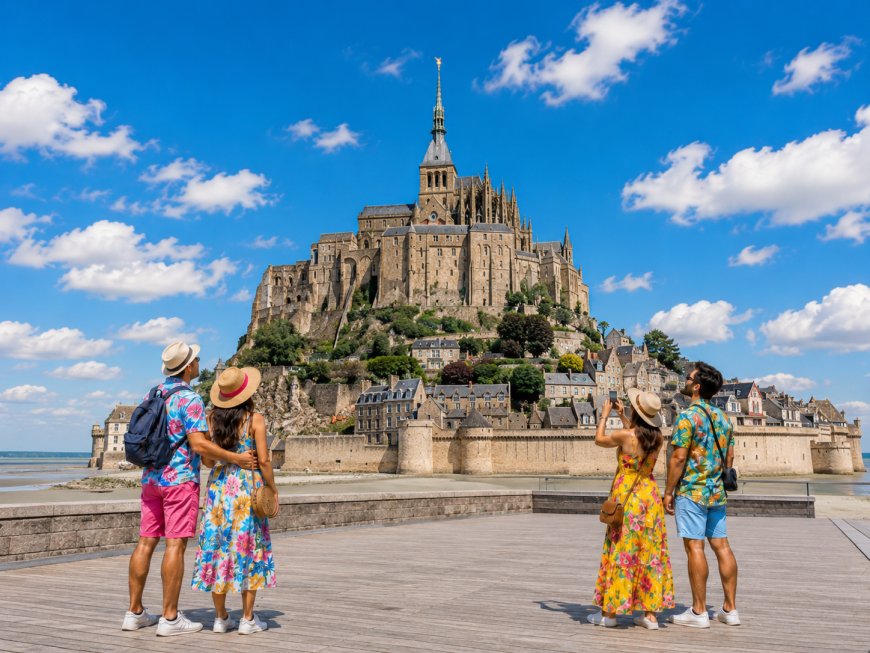
Culture is not simply something to look at.
It is something to experience, respect, question, and remember.
Churches: Enter Quietly, Even When Your Outfit Is Fabulous
Churches, cathedrals, chapels, monasteries, temples, mosques, and sacred places are often among the most beautiful buildings in the world.
They may have painted ceilings, stained-glass windows, enormous doors, ancient statues, gold altars, marble floors, and enough artistic drama to make a modern hotel lobby feel emotionally inadequate.
But these places are not merely architectural attractions.
People still go there to pray, attend services, light candles, celebrate weddings, mourn loved ones, or sit quietly because life has become complicated.
A respectful traveler remembers this.
Speak softly. Dress appropriately. Follow photography rules. Do not step directly in front of someone praying because you have discovered the perfect camera angle.
Your social media audience can survive without that photograph.
Learn the story of the building. Who built it? Why was it important? Did it survive war, persecution, fire, political change, or several centuries of badly behaved tourists?
A church may be silent, but its walls usually have more stories than the loudest person in your travel group.
Museums Are Not Endurance Sports
Many people enter a museum with the determination of an athlete.
They must see every room, every painting, every statue, every royal spoon, and every chair once occupied by someone vaguely important.
After three hours, they are no longer appreciating art. They are searching desperately for a bench, a toilet, and a café that sells something stronger than mineral water.
A museum is not something to conquer.
Choose the galleries that genuinely interest you. Spend time with a few objects instead of rushing past thousands. Look before immediately lifting your phone.
Ask questions.
Why was this painting important? Who wore this garment? Why is this broken bowl inside a glass case? Why does one tiny chair have a six-paragraph description while the enormous sculpture beside it has only a date?
Art museums reveal beauty, politics, religion, wealth, love, vanity, and revenge. History museums show how societies remember themselves—and sometimes how carefully they avoid remembering certain things.
Small museums can be just as meaningful as famous ones.
A local museum with family photographs, handmade tools, old uniforms, and handwritten letters may tell you more about real life than a palace filled with furniture no one was apparently allowed to sit on.
Heritage Sites: Beautiful, Important, and Usually Full of Stairs
Castles, forts, old towns, ancestral homes, ruins, ancient marketplaces, and archaeological sites connect the present to the past.
They show how people lived, worked, defended themselves, displayed their wealth, and created doors far too small for modern adults.
Heritage sites are often romantic from a distance.
Up close, they may involve uneven ground, narrow corridors, spiral staircases, low ceilings, and a guide who walks uphill with suspiciously little effort.
Wear proper shoes.
It is also important to understand the complete story of a place. A palace may be magnificent, but its luxury may have come from heavy taxation, colonial wealth, or generations of people doing the actual work.
A plantation house may be elegant, but elegance should never erase exploitation. A fortress may offer a beautiful sunset, but it may also have been a place of violence, imprisonment, or fear.
Cultural travel should not turn history into a fairy tale.
Beauty and truth must be allowed to stand in the same room, even when they refuse to speak to each other.
Architecture: When Buildings Begin Talking
Architecture tells you what a society values.
Government buildings may project power. Churches may express faith. Palaces may display wealth. Public squares may invite community life. Apartment blocks may suggest that someone once believed every human being wanted exactly the same window.
Look closely at how cities are built.
Older cities often reveal several historical periods standing beside one another.
You may see a medieval church next to a baroque palace, beside a socialist-era building, facing a glass tower with a coffee shop downstairs.
It is architectural speed dating.
Modern architecture also deserves attention. Culture did not stop when people stopped wearing powdered wigs. Contemporary buildings reflect new technology, new ambitions, and occasionally an architect’s personal disagreement with straight lines.
Fashion History: People Have Always Dressed to Impress
Fashion history is cultural history with better accessories.
Clothing reveals class, religion, profession, gender expectations, climate, technology, politics, trade, identity, and the eternal human desire to look more important than one’s neighbors.
Traditional clothing may show a person’s region, status, occupation, marital position, or community. A hat could announce wealth, respectability, authority, or simply that someone had excellent balance.
Court fashion displayed power. Military uniforms created authority. Work clothes reflected practical needs. Religious garments expressed devotion and rank.
Then there were corsets, enormous sleeves, towering wigs, stiff collars, heavy embroidery, and shoes that appeared to have been designed by people who disliked feet.
Fashion has always involved sacrifice.
Visit costume museums, textile collections, tailoring workshops, fashion archives, and local designers. Look closely at embroidery, fabric, cut, pattern, and craftsmanship.
A traditional garment is not simply something attractive to wear for a photograph. It may carry generations of meaning and months of work.
Appreciate it before treating it like party clothing.
Local Traditions Are Not There Just for Your Camera
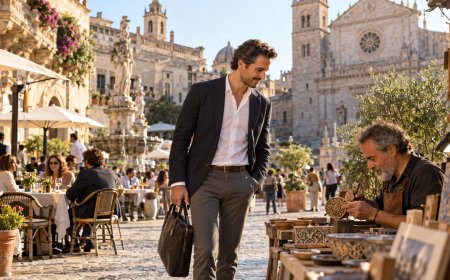
Festivals, processions, dances, music, crafts, markets, food rituals, and community celebrations offer some of the most memorable travel experiences.
But traditions existed before tourists arrived with phones held above their heads.
A religious procession may be an act of faith. A dance may preserve history. A festival may honor a saint, harvest, victory, tragedy, or local hero. A market may be where families have earned their living for generations.
Observe before participating.
Watch how local people behave. Follow their lead. Ask before photographing individuals, especially children, religious participants, performers, and artisans.
Not everyone wearing traditional clothing has spent the morning hoping to become the background of your vacation picture.
Try speaking with people.
Ask an artisan how an object is made. Ask a guide what the festival means. Speak with residents about how the neighborhood has changed.
A five-minute conversation can give you more understanding than fifty photographs taken while blocking the street.
Art Is Everywhere, Even Outside the Museum Gift Shop
Art does not live only inside museums.
It appears in street murals, shop signs, churches, gardens, clothing, music, theatre, public sculptures, handmade furniture, posters, cafés, and neighborhood decorations.
A city may tell its story through graffiti. A village may preserve its identity through weaving. A community may express political frustration through music, posters, or performance.
Look for independent galleries, artist studios, design districts, community centers, bookshops, craft markets, and small theatres.
Support local creators when possible.
Buy directly from artists and craftspeople. Pay a fair price. Do not aggressively bargain over a handmade textile that took three weeks to produce after casually spending four times as much on a branded scarf made by a machine.
Some travelers enter a luxury boutique and accept the price in respectful silence. Ten minutes later, they challenge a grandmother in a market to an international negotiation over two dollars.
Culture deserves better manners.
Food Is History You Can Eat
Food is one of the easiest ways to understand a culture, especially because you can do it while sitting down.
Traditional dishes reveal climate, agriculture, religion, migration, trade, poverty, celebration, and family habits. A simple soup may have been created during difficult times. A dessert may be associated with a feast day. A spice may have traveled thousands of miles through trade or colonization.
Try local restaurants, markets, bakeries, cafés, and family-run establishments.
Ask what local people actually eat rather than ordering only what is advertised beside a photograph of a smiling tourist.
Not every dish will become your favorite.
Try it politely.
Meaningful Encounters Cannot Be Scheduled Every Fifteen Minutes
Cultural travel needs time.
You cannot deeply experience a church at 9:00, a museum at 9:20, a palace at 9:45, a traditional market at 10:05, lunch at 10:15, and complete spiritual transformation by 10:30.
Slow down.
Learn a few local words.
Your pronunciation may not be excellent. You may accidentally ask for a train station when you mean a pastry.
Cultural Travel Should Help the Community
Travel should not damage the place that made the journey meaningful.
Overtourism can overcrowd churches, damage heritage sites, raise local rents, disrupt neighborhoods, and transform community traditions into performances designed only for visitors.
Choose locally owned hotels, restaurants, shops, guides, and cultural activities when possible.
Follow rules. Do not climb monuments because someone else did it online. Do not remove stones, tiles, plants, or pieces of ancient buildings as souvenirs.
If every visitor took “just one small piece,” the historic site would eventually become an empty parking lot.
Respect residential neighborhoods. Keep noise under control. Remember that the charming doorway you are using for a twenty-minute fashion shoot may belong to someone who is trying to bring home groceries.
A destination is not a stage set.
Return Home With More Than Photographs
The best cultural journeys change how you understand people.
You may remember a cathedral, a painting, a historic dress, a family recipe, a ruined castle, a conversation with an artist, or an afternoon spent listening to stories in a small village.
These moments remind us that culture is not decoration.
Culture is how people build, pray, dress, cook, celebrate, mourn, work, create, argue, survive, and pass knowledge to the next generation.
A true cultural traveler does not ask only, “What can I photograph?”
They ask, “What can I understand?”
They collect stories, perspectives, and occasionally a beautiful object that later becomes impossible to fit inside the suitcase.
Because the most meaningful journey is not the one that fills your camera.