Your Wardrobe Matter More Than You Think
According to Noubikko, “Your wardrobe should be your silent partner in success. It should save you time, support your image, and make you feel prepared wherever you go.”
 By Noubikko for Noubi Says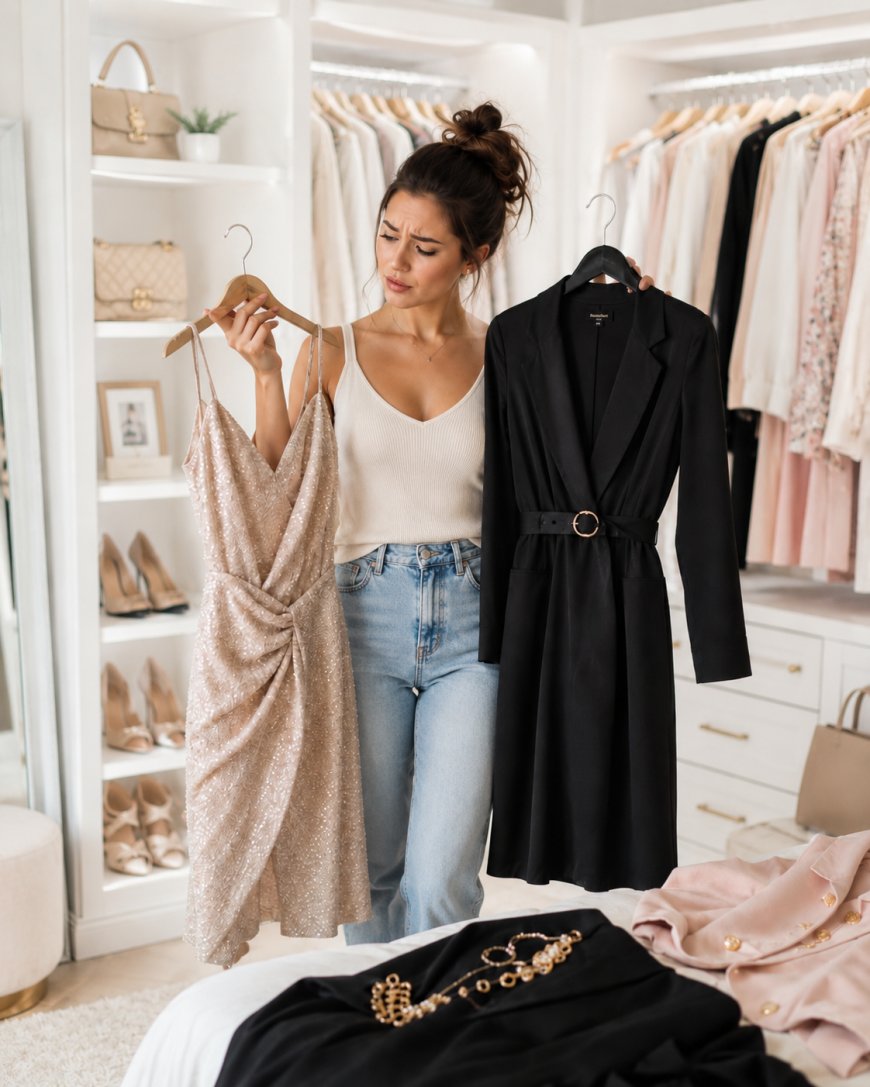
Clothing is more than fabric—it is presentation, confidence, efficiency, and identity. A disorganized closet often leads to rushed mornings, poor buying decisions, repeated outfits with no styling variety, and unnecessary spending.
A carefully planned wardrobe, however, creates:
- Faster and stress-free dressing decisions
- Greater confidence in public and professional settings
- Better use of clothing purchases
- Less wasted money on impulse buys
- A cleaner, stronger, and more memorable image
- More flexibility for work, travel, meetings, and social life
Noubikko stresses that style is not about owning hundreds of garments—it is about owning the right garments.
Step One: Build the Foundation of a Basic Wardrobe
Rather than buying random pieces for isolated occasions, invest first in essentials that combine easily.
For Men, consider building around:
- Crisp white shirts
- Light blue shirts
- Dark trousers
- Tailored chinos
- Dark denim
- Navy blazer
- Black shoes
- Brown shoes
- Neutral belt
- Polo shirts
- Clean casual sneakers
- Classic watch
For Women, consider building around:
- White blouse
- Tailored black pants
- Pencil skirt or structured skirt
- Neutral dress
- Blazer
- Elegant flats
- Classic heels
- Quality handbag
- Knitwear layers
- Smart denim
- Minimal accessories
These essentials create dozens of outfit combinations without overbuying.
Step Two: Audit Your Closet Honestly
Noubikko advises standing in front of your wardrobe and asking:
- Does this wardrobe reflect the person I want to become?
- Do I look polished or outdated?
- Am I prepared for work, networking, dates, travel, or events?
- Do I own too many emotional purchases but too few practical pieces?
- Are my clothes helping my image—or hurting it?
A truthful audit is often the beginning of transformation.
Step Three: The Closet Cleanup Method
Remove Clothing That No Longer Serves You
Discard or donate:
- Clothes that no longer fit
- Pieces you haven’t worn in a year
- Torn or permanently damaged garments
- Items bought impulsively but never loved
- Pieces tied to an old version of yourself
- Excess duplicates you never use
“Your wardrobe should represent your future, not your past,” says Noubikko.
Step Four: Repair and Maintain Before It’s Too Late
Many people replace clothing simply because they neglected simple maintenance.
Do regularly:
- Replace missing buttons
- Fix loose hems
- Polish shoes
- Steam wrinkled garments
- Brush coats and blazers
- Remove lint
- Store leather properly
- Use proper hangers
- Fold knitwear correctly
- Rotate shoes to extend lifespan
Well-maintained clothing always looks more expensive.
Step Five: Stop Buying Memorably Bad Fashion
Noubikko strongly warns against exaggerated trend purchases that quickly become unusable.
Avoid:
- Oversized lapels
- Excessive embellishments
- Loud novelty prints
- Extremely trendy cuts
- Harsh neon colors (unless intentional and expertly styled)
- Cheap fabrics that wrinkle instantly
- Clothing that attracts attention but not respect
“Being noticed is not the same as being admired,” Noubikko explains.
Step Six: Buy With Strategy, Not Emotion
Before purchasing any garment, ask:
- Can I wear this at least five different ways?
- Does it match what I already own?
- Does it flatter my body shape?
- Will I still wear it next year?
- Does it fit my lifestyle?
- Is it quality enough for the price?
- Would I buy it again tomorrow?
If the answer is no to most of these, walk away.
How to Maximize Every Piece You Own
Choose Multi-Purpose Clothing
Own garments that can transition from:
- Office to dinner
- Day to evening
- Casual to polished
- Travel to business casual
Master Layering:
Use Neutral Colors as Anchors:
Keep Statement Pieces Limited:
Wardrobe Psychology: Dress for the Role You Want
Noubikko reminds readers that clothing influences how others respond—and how you feel.
Dress like:
- The promotion you want
- The business owner you plan to become
- The elegant person you aspire to be
- The disciplined version of yourself
Confidence often begins with preparation.
Seasonal Advice from Noubikko
Every 3 Months:
- Reassess fit
- Replace worn basics
- Rotate seasonal pieces
- Remove clutter
- Update one or two modern essentials
- Refresh shoes and accessories
Every Year:
- Upgrade quality over quantity
- Improve tailoring
- Refine your signature look
The Final Rule: Consistency Creates Identity
When your wardrobe consistently reflects quality, taste, and self-respect, people begin to associate those traits with you.
That is the true power of image.
Noubi Says:
“Do not chase every trend. Build a wardrobe that carries you through years with confidence, elegance, and ease.”