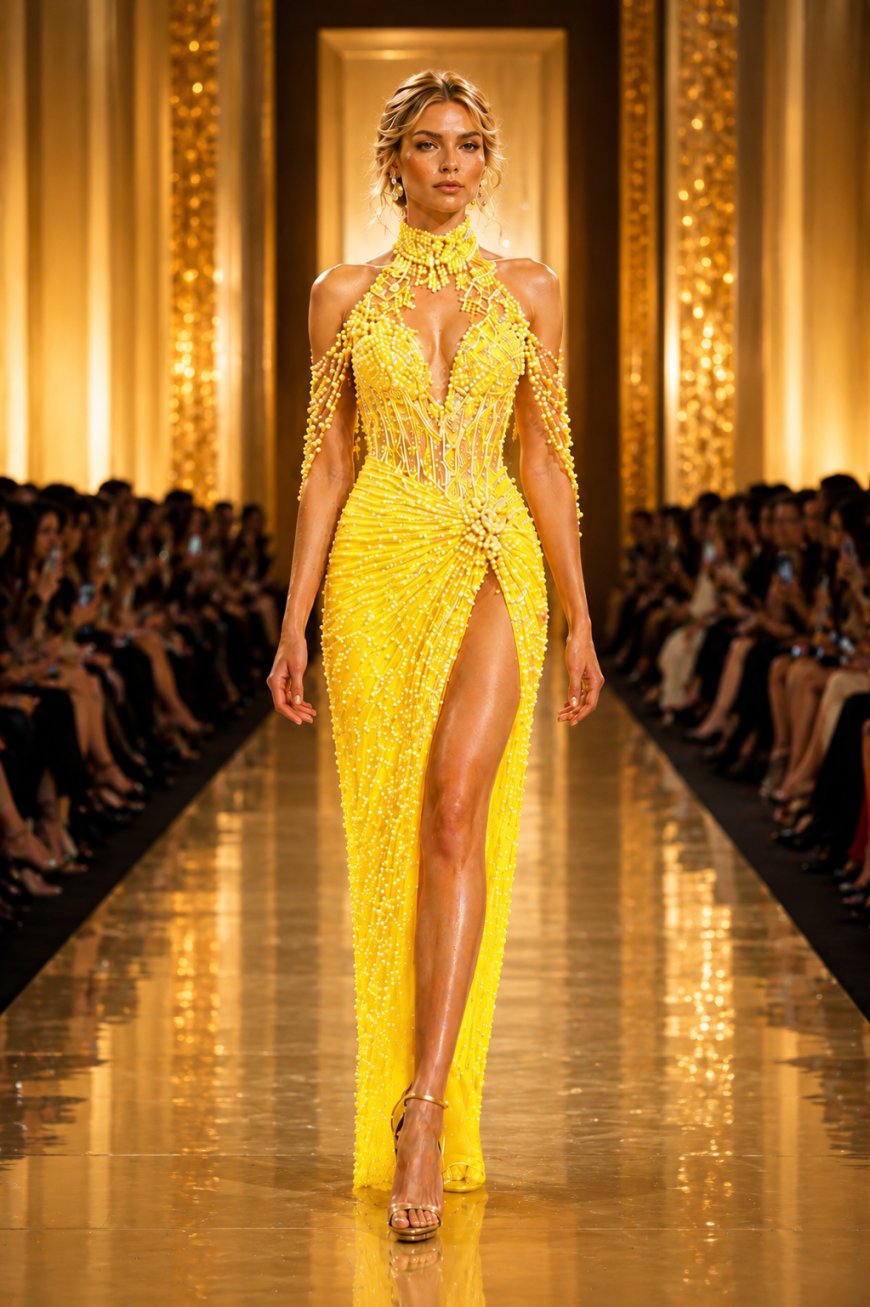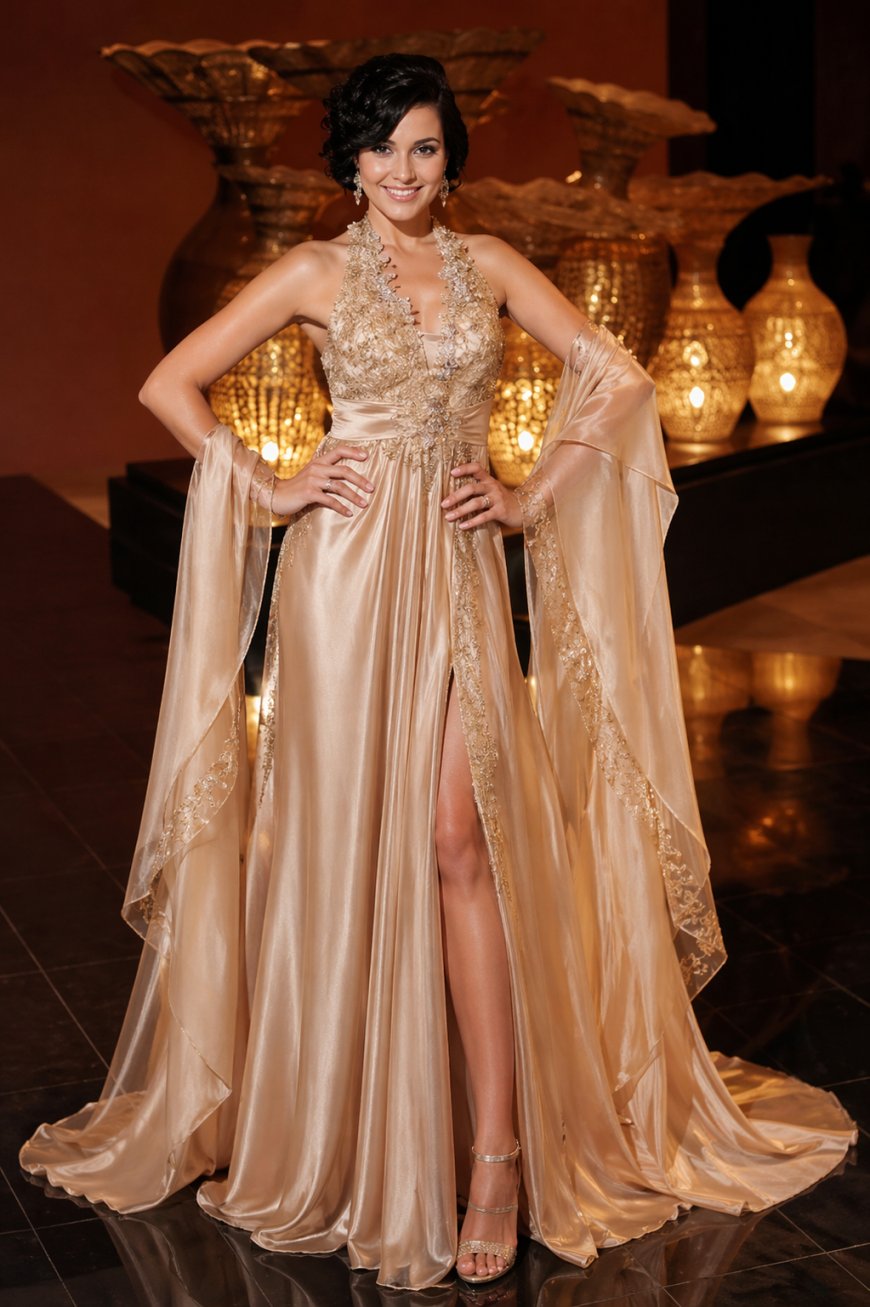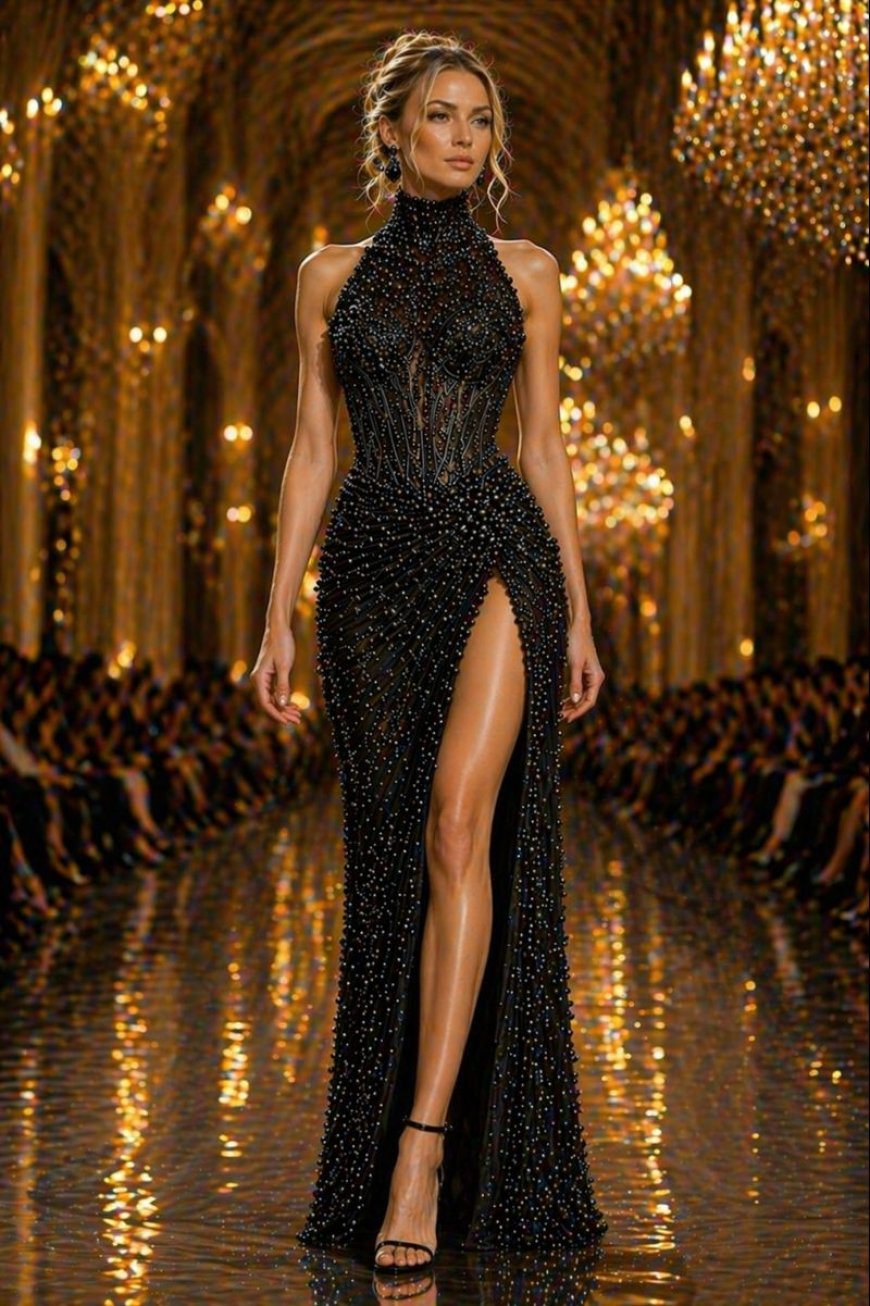
How Fashion Shapes Your Digital First Impression
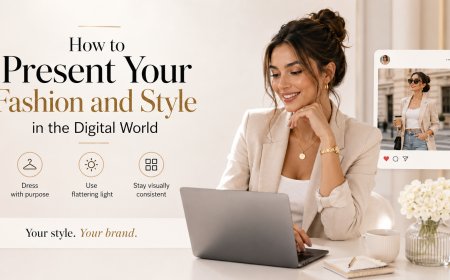
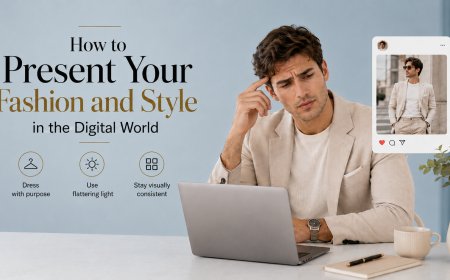
Before people hear your voice, read your biography, or understand your achievements, they often notice how you look. Online, this may happen through a profile photograph, LinkedIn page, website, social media post, video interview, digital avatar, or even the small image beside your email address. This means fashion and personal style are no longer limited to physical meetings. They have become an important part of the digital first impression—the opinion people form about you before meeting you in person.
 By Noubikko for Noubi Says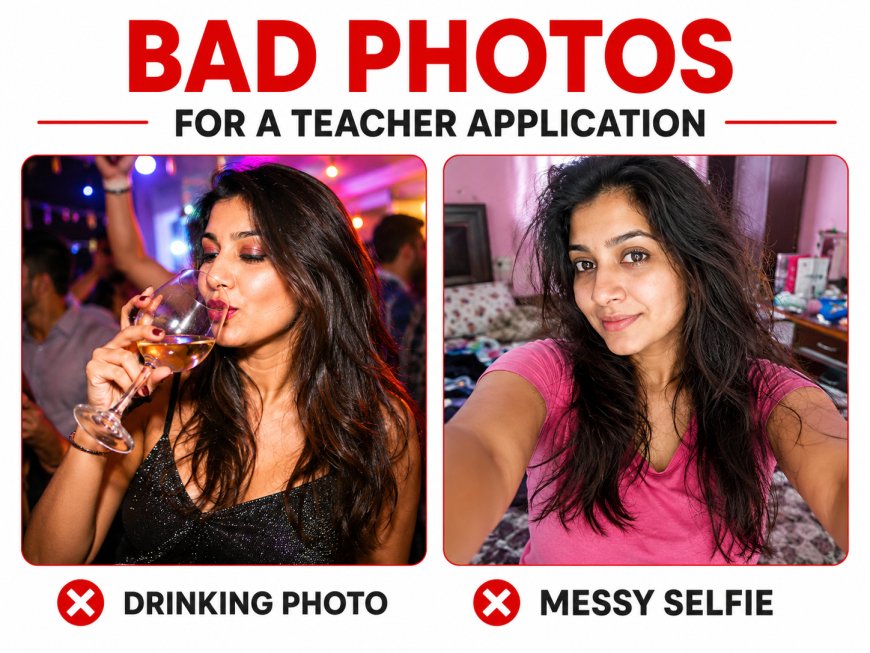
Your clothes may not speak, but online they are often among the first things doing the talking.
Your Clothing Becomes Visual Information
In person, people observe your entire presence: how you enter a room, how you move, how you speak, and how you interact.
Online, much of that information disappears.
The viewer may see only your face, shoulders, clothing, background, and facial expression. Because the visual information is limited, every visible detail becomes more noticeable.
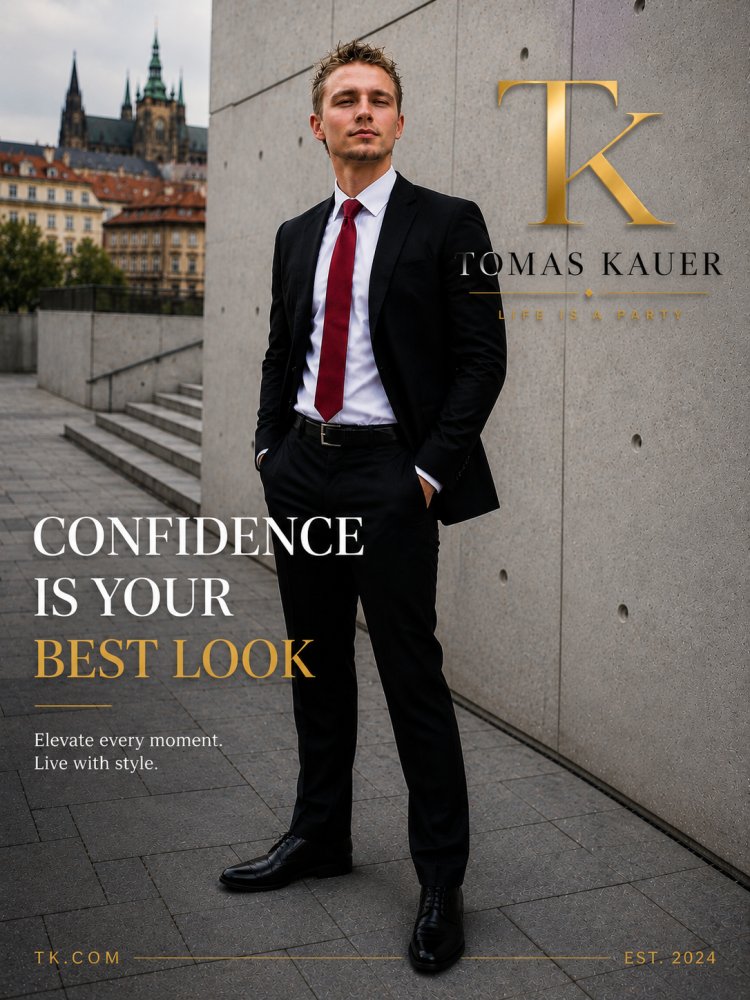
A well-fitted jacket can suggest professionalism. A crisp white shirt may communicate reliability. An all-black outfit can project authority, confidence, and creative sophistication. Softer colors may make a person appear more approachable.
Clothing does not reveal everything about character, but it creates expectations.
Before people know what you can do, they begin to imagine what kind of person you might be.
The Profile Photo Is Your Digital Outfit
A profile photograph functions like a digital introduction.
It appears on social media, LinkedIn, websites, messaging applications, email accounts, event programs, and online publications.
The clothes you wear in that photograph should support the impression you want to create.
A corporate executive may choose a tailored jacket or formal shirt. A fashion designer may present a more distinctive and recognizable style. A creative professional may use unusual details, dramatic eyewear, or a signature color.
The objective is not to dress like everyone else. It is to make your appearance understandable.
People should be able to look at your photograph and sense whether you are professional, creative, authoritative, approachable, elegant, or unconventional.
Confusion begins when the outfit has no relationship to the identity being presented.
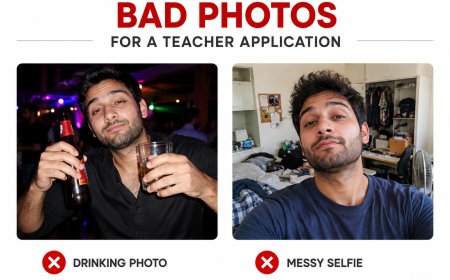
A biography may describe someone as a polished international consultant, while the profile photograph looks as though it was taken unexpectedly during a household emergency.
Style Communicates Positioning
Fashion is not only about clothing. It is also about positioning.
The way you dress helps audiences understand where you belong—or where you intend to belong.
Luxury brands use fashion to communicate exclusivity. Technology leaders often dress simply to suggest efficiency and innovation. Lawyers, bankers, and consultants may use structured clothing to project discipline and trust. Artists and designers may use style to demonstrate originality.
Your digital wardrobe should therefore reflect your profession, audience, and personal brand.
Ask yourself:
What do I want people to assume when they first see me?
Do I want to appear established, modern, artistic, dependable, elegant, youthful, intellectual, or approachable?
Your clothing should quietly support the answer.
Fit Matters More Than Price
Expensive clothes do not automatically create a strong digital impression.
A costly jacket that fits poorly can look less impressive than a simple shirt that fits properly.
In photographs and videos, fit becomes especially important because the camera emphasizes proportions. Collars that are too wide, shoulders that collapse, sleeves that are too long, and clothing that pulls across the body are often more visible on screen.
Digital style does not require an enormous wardrobe.
A few well-fitting pieces can create a more credible image than a closet filled with fashionable mistakes.
The camera does not inspect the price tag. It only sees the result.
Color Influences How People Perceive You
Color plays a powerful role in digital presentation.
Dark blue often suggests trust, discipline, and professionalism. Black can communicate authority, mystery, elegance, and creative confidence. White appears clean and direct. Grey can look intelligent and controlled. Warmer shades may appear friendly and energetic.
However, color should also work with lighting, background, and screen quality.
A black outfit against a dark background may cause the body to disappear, leaving only a floating face—which may be memorable, but perhaps not for the intended reason.
Similarly, a highly patterned shirt may distract viewers during an interview. Very bright colors can overwhelm the face, while tiny prints may appear distorted on camera.
Digital fashion must consider not only how clothing looks in person, but how it appears through a screen.
Grooming Is Part of Digital Style
Clothing alone does not create the impression.
Hair, skin, facial hair, eyeglasses, posture, and expression all contribute to digital style.
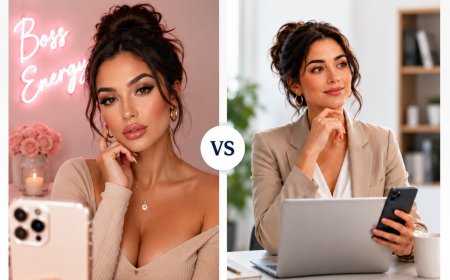
A polished outfit combined with untidy grooming creates inconsistency. In the same way, perfect grooming paired with inappropriate clothing may weaken the overall effect.
Eyeglasses can become a particularly strong part of digital identity. A distinctive frame may suggest intelligence, creativity, authority, or individuality.
For people who frequently appear online, one recognizable element—a black turtleneck, signature eyewear, a structured jacket, or a particular hairstyle—can become part of their public image.
Style becomes memorable when it is repeated with intention.
Video Requires a Different Kind of Dressing
Clothing that works in photographs may not always work in video.
During interviews, viewers see movement. They notice how the fabric behaves, whether the clothes remain properly positioned, and whether the outfit looks comfortable.
Clothing that is too tight may restrict movement. Loose clothing may appear untidy when seated. Noisy jewelry, reflective fabrics, and complicated patterns can distract the audience or interfere with recording equipment.
For video, simplicity often works best.
A clean neckline, structured shoulders, solid colors, and carefully chosen accessories allow the face and message to remain the focus.
The goal is not to make viewers spend the entire interview admiring the jacket.
The goal is to make the jacket help them listen to the person wearing it.
The Background Must Work With the Outfit
Digital style includes the environment surrounding you.
A well-dressed person photographed against a cluttered, poorly lit background may still appear unprepared.
The outfit and setting should complement each other.
A dark wardrobe may stand out beautifully against a bright, elegant background. Neutral clothing may work well in a colorful interior. A garden setting can soften formal attire, while an office or library can strengthen a professional image.
Your surroundings act like the stage, while your clothes become part of the performance.
Neither should fight for attention.
Avatars Must Reflect Your Real Style
As digital avatars become more common, fashion is also entering the world of artificial intelligence.
An avatar may represent someone in videos, online presentations, interviews, courses, and promotional campaigns.
The clothing chosen for the avatar should reflect the person’s actual identity and brand.
A designer known for all-black clothing, for example, should not appear through an avatar wearing a tropical floral shirt unless there is a very good story behind it.
Avatars should preserve recognizable details such as hairstyle, eyewear, preferred colors, tailoring, and overall attitude.
Technology may improve the face, adjust the lighting, and remove every wrinkle from the jacket. But the style must still feel authentic.
Otherwise, the avatar may look impressive while representing someone who does not appear to exist.
Consistency Builds Recognition
A strong digital first impression develops through consistency.
The person seen on LinkedIn should feel connected to the person appearing in videos, interviews, websites, and social media posts.
This does not mean wearing exactly the same outfit everywhere.
It means maintaining a recognizable visual language.
The colors, level of formality, fit, grooming, accessories, and overall mood should support the same identity.
Someone known for understated elegance may use black, white, grey, and navy across several platforms. A more expressive personality may use bold eyewear, unusual tailoring, or a signature accent color.
When people repeatedly see the same visual character, they begin to remember it.
Dress for the Screen, but Remain Yourself
Fashion in the digital world is not about creating a false image.
It is about making your real identity easier to understand.
Your online clothes should reflect your profession, personality, ambitions, and values. They should help people recognize you before they meet you and confirm that recognition when they finally do.
The strongest digital style is not the loudest, most expensive, or most fashionable.
It is the style that feels intentional, appropriate, consistent, and unmistakably yours.
Today, your wardrobe may arrive before you do.
— Noubi Says