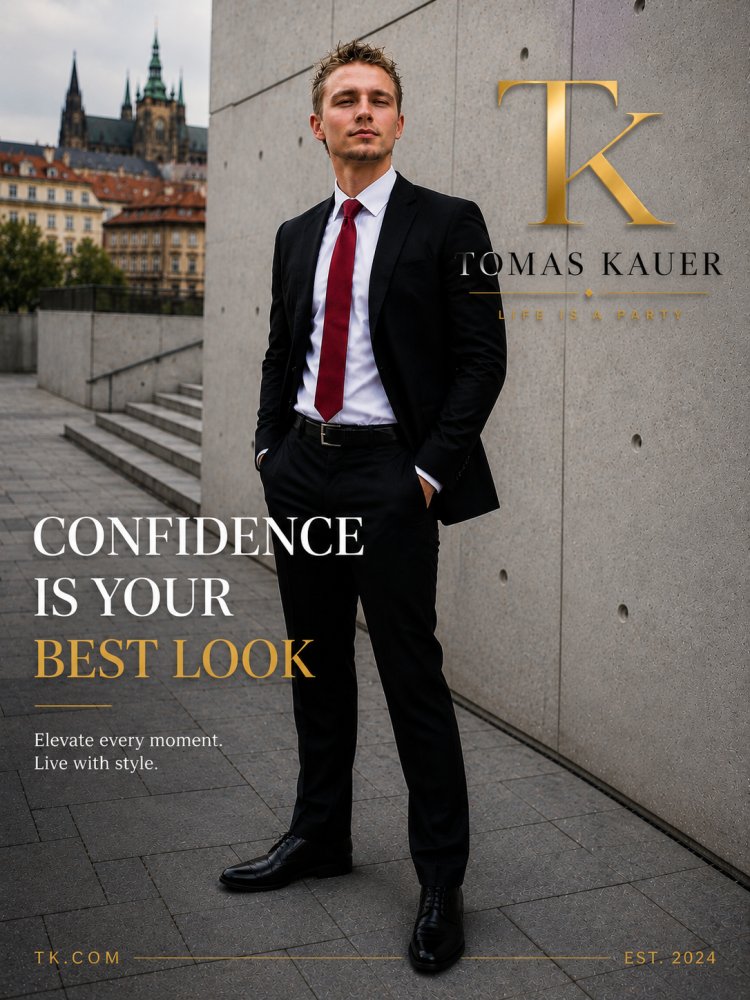
Digital First Impressions: People Meet You Online Before They Meet You in Person
There was a time when first impressions happened at the door. You entered a room, shook someone’s hand, smiled politely, and hoped your shoes were polished enough to suggest that your life was under control. Today, the first meeting often happens long before you arrive. People may already have seen your photograph, visited your website, watched an interview, read your comments, checked your LinkedIn profile, and quietly searched your name on Google.
 By Noubikko for Noubi Says
By the time you finally meet, they may feel as though they already know you.
That is the digital first impression: the opinion people form about you before meeting you in person, based on what they see online.
And just like a traditional first impression, it can be accurate, misleading, impressive, confusing—or slightly alarming.
Your Online Presence Speaks Before You Do
Your digital presence is constantly introducing you.
It introduces you to potential employers, clients, business partners, journalists, customers, collaborators, followers, and even people who are simply curious about you.
You may not be in the room, but your profile photograph is.
Your biography is.
Your comments are.
Your old posts from several years ago may also be there, patiently waiting to embarrass you.
This is why digital image is no longer separate from personal image. It has become part of it.
In the modern world, people do not only ask, “How does this person present himself?”
They also ask, “What appears when I search his name?”
The Profile Photo: Your Digital Handshake
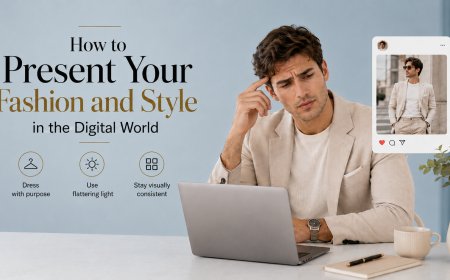
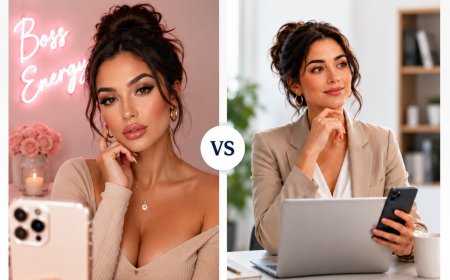
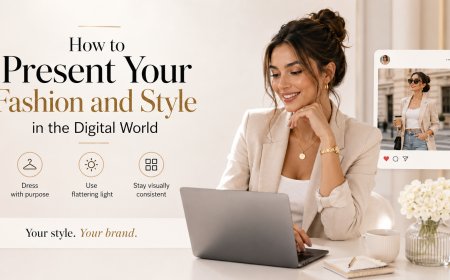
Your profile photograph is often the first thing people notice.
It does not need to look like a fashion campaign, but it should look intentional.
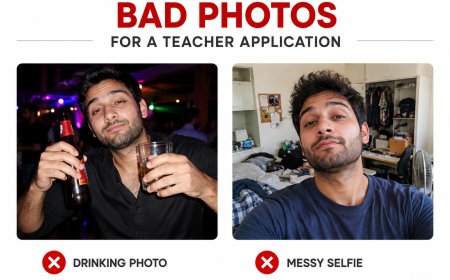
A clear, recent, well-lit photograph communicates confidence and credibility. A dark, blurry image taken from a strange angle may suggest mystery, but not always the elegant kind.
Your profile photo should reflect how you want to be recognized.
A business leader may choose a polished portrait. A creative professional may prefer something more expressive. A public figure may use a carefully branded image.
The important thing is consistency.
When every platform shows a completely different version of you, people may begin to wonder whether they are researching one person or an entire family.
Social Media Pages: Your Public Waiting Room
Your social media pages reveal more than you may realize.
They show what interests you, how you speak, what you support, how you respond to others, and how frequently you argue with strangers at midnight.
A strong social media presence does not mean that everything must be formal. People appreciate personality, humor, travel, family moments, opinions, and everyday life.
But personality should not become carelessness.
Before posting, consider a simple question:
Does this support the image I want people to remember?
You do not need to appear perfect. Perfection can look artificial. But your online presence should show judgment, self-awareness, and some understanding that the internet has a very long memory.
Your Website and Biography: The Official Version of You
A website or professional biography allows you to explain who you are in your own words.
This is where you can present your experience, achievements, philosophy, projects, and personal story with greater depth.
The problem is that many biographies sound as though they were written for a monument.
Every sentence describes the person as visionary, legendary, extraordinary, groundbreaking, internationally acclaimed, and possibly capable of controlling the weather.
A strong biography does not need excessive praise. It needs credibility.
Specific accomplishments are more persuasive than dramatic adjectives.
Instead of saying you are “a world-renowned creative genius,” explain what you created, where your work appeared, whom you worked with, and what impact it made.
Let the facts wear the crown.
LinkedIn: The Professional Mirror
For many professionals, LinkedIn is the modern version of the business card.
It shows your career history, expertise, connections, recommendations, and professional interests.
An incomplete LinkedIn profile may suggest that you are inactive, outdated, or simply hiding from employment.
A thoughtful profile should include a current photograph, clear headline, concise summary, accurate work history, and relevant accomplishments.
Your headline should explain what you do, not merely announce that you are “open to possibilities.”
Everyone is open to possibilities. Even my refrigerator is open several times a day.
Be specific about the value you offer.
Videos and Interviews: People Watch How You Think
Videos reveal something photographs cannot: your presence.
People notice your voice, confidence, body language, facial expressions, pacing, humor, and ability to communicate.
A beautifully written biography may present you as brilliant, but a video allows people to decide whether they would actually enjoy speaking with you.
This does not mean you must be theatrical.
The most persuasive videos often feel natural, calm, clear, and sincere. Speak as though you are addressing one intelligent person, not delivering a speech to an imaginary stadium.
People remember confidence, but they also remember warmth.
Email Style: Your Manners in Writing
Email is one of the most underestimated parts of digital first impressions.
People judge professionalism through your subject line, greeting, grammar, tone, response time, and clarity.
A well-written email feels respectful and organized.
A confusing email with no greeting, no context, and fifteen unanswered questions can make the recipient feel as though they have received homework from a stranger.
Good email style does not require long paragraphs.
It requires clarity.
State why you are writing. Explain what you need. Be courteous. End professionally.
Digital elegance often comes down to making life easier for the person reading.
Comments and Posts: Your Character in Public
What you say in comment sections can shape your reputation.
People may forget your polished photograph, but they will remember the moment you insulted someone over a restaurant review.
Disagreement is not the problem. How you disagree is what people notice.
Thoughtful comments can demonstrate intelligence, confidence, humor, and emotional maturity.
Cruel or aggressive comments may reveal the opposite.
Before posting an angry response, remember that screenshots travel faster than apologies.
Google Search Results: Your Unofficial Biography
Google search results often become the public’s first research tool.
What appears may include your website, social media accounts, interviews, news articles, old photographs, public records, business listings, and content created by other people.
You cannot control everything, but you can influence what becomes visible.
Regularly search your own name. Review what appears. Update outdated profiles. Publish credible content. Maintain an official website. Correct inaccurate information when possible.
Your goal is not to manipulate your reputation. It is to ensure that the most accurate and valuable version of your work is easy to find.
Avatars and Online Branding: The New Digital Identity
Avatars, logos, color schemes, fonts, video styles, and visual branding are increasingly important.
They help people recognize you across platforms.
A strong digital brand creates familiarity. The same photograph, tone, logo, colors, and message should appear consistently enough that people immediately understand who they are seeing.
Avatars can also become part of your public identity, especially in videos, educational content, online presentations, and AI-generated media.
But technology should support authenticity, not replace it.
Your avatar may look perfect, speak clearly, and never have a bad hair day. Still, the ideas, values, and personality behind it must remain yours.
Otherwise, you are not building a digital identity. You are simply renting a very polished stranger.
Consistency Creates Trust
The strongest digital first impression comes from consistency.
Your profile photograph, biography, website, LinkedIn page, videos, emails, and social posts should feel as though they belong to the same person.
Not identical—but connected.
A person who presents himself as refined on his website but behaves recklessly in public comments creates confusion.
A business claiming innovation while maintaining an outdated, broken website creates doubt.
A professional who speaks about kindness but communicates rudely by email weakens trust.
People believe patterns more than slogans.
Before They Meet You, They Have Already Met Your Reputation
A digital first impression is not about pretending to be someone else.
It is about presenting the best, clearest, and most honest version of who you are.
Review your photographs. Read your biography. Watch your old videos. Examine your social media pages. Search your name. Look at your comments as though they were written by a stranger.
Then ask:
Would I trust this person?
Would I respect this person?
Would I want to meet this person?
Today, your online presence often enters the room before you do.
Make sure it is well dressed, well mannered, and not arguing with someone in the comment section.
— Noubi Says
This fits well under First Impression → Digital First Impression.