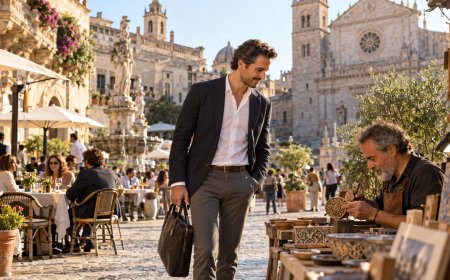
Travel With an Appetite and Something Nice to Wear
Taste of the Destination: Some travelers remember a destination by its monuments. Others remember it by the meal they ate after becoming lost for two hours, walking twelve thousand steps, and discovering that the restaurant recommended by the hotel was closed on Tuesdays. Food is one of the most delicious ways to understand a place.
 By Noubikko for Noubi Says
A city may introduce itself through architecture, history, and fashion, but it often reveals its true personality at the table. Its cafés show how people spend their afternoons. Its markets reveal what grows nearby. Its traditional dishes explain migration, climate, religion, hardship, celebration, and the remarkable human ability to turn simple ingredients into something worth discussing for generations.
A taste of the destination is not simply about eating.
Every country has culinary traditions.
Stylish Cafés: Where Coffee Becomes a Social Event
A beautiful café is never only about coffee.
Historic European cafés may feel like drawing rooms where writers, artists, politicians, and intellectuals once spent entire afternoons discussing society while ordering one coffee.
Modern stylish cafés offer a different experience. They may feature minimalist interiors, carefully designed cups, beautiful pastries, and coffee described with enough detail to make you question whether you have been drinking it incorrectly your entire life.
A good café allows you to pause.
Dress with some thought.
There is a difference between relaxing in a café and arriving in the same clothing you wore while inspecting the hotel gym.
Historic Restaurants Serve More Than Food
Historic restaurants allow travelers to dine inside a story.
The dining rooms may contain wood paneling, antique mirrors, chandeliers, frescoes, fireplaces, old photographs, and tables that have hosted artists, presidents, actors, aristocrats, revolutionaries, and at least several couples who stopped speaking before dessert.
Their menus often preserve regional dishes and traditional cooking methods.
A restaurant may have opened in 1780, but the vegetables should not taste as though they have been waiting since then.
The finest historic restaurants balance heritage with quality. They preserve recipes without turning dinner into a museum demonstration. They respect tradition while understanding that modern guests still appreciate warmth, freshness, and a chair that does not feel historically accurate.
Before dining, learn why the restaurant is important.
Perhaps a famous writer sat there. Perhaps political meetings took place in a private room. Perhaps the building survived war or social change.
A memorable restaurant should feed your curiosity as well as your appetite.
Local Cuisine Is the Biography of a Place
Traditional food tells the story of a region.
Tropical cuisines reflect abundant fruit, spices, seafood, herbs, and the urgent need to eat before the weather changes.
Religious traditions influence fasting foods, feast-day meals, and ceremonial dishes. Migration introduces ingredients and techniques that eventually become so local that everyone forgets they arrived from somewhere else.
Poverty and hardship have also shaped cuisine.
Try regional specialties with curiosity.
Food becomes more meaningful when you understand its context.
Markets Reveal the Destination Before Lunch
Markets are among the best places to understand local life.
They show what is seasonal, affordable, celebrated, and eaten regularly. You may find fruit, vegetables, herbs, fish, meat, cheese, bread, flowers, spices, sweets, household items, and vendors who know exactly which tomato you should buy.
A good market is alive with sound, color, scent, and movement.
People are shopping for families, restaurants, and businesses. Vendors are earning a living. Try not to block an entire aisle while photographing one unusually attractive cabbage.
Ask permission before photographing people.
Buy something when appropriate. Taste responsibly. Carry small cash if the market is traditional, and avoid bargaining aggressively over a small amount of money.
Some travelers will pay without hesitation for a designer handbag, then spend fifteen minutes negotiating over the price of handmade cheese.
Luxury apparently has different rules when a grandmother is selling it.
Food markets are also ideal places to try simple local dishes. A freshly baked pastry, grilled snack, bowl of soup, seasonal fruit, or sandwich prepared at a market stall may become more memorable than a formal meal.
Elegant travel does not mean eating only in elegant rooms.
Afternoon Tea: Elegance Arranged on Several Levels
Afternoon tea is one of the most civilized ways to spend part of the day.
The setting matters.
This is a dining experience worth dressing up for.
Learn the customs, but do not become anxious.
There are debates about whether cream or jam goes first on a scone. Entire counties have taken emotional positions on the matter.
You are visiting.
The last pastry will still be there after the conversation.
Wine Regions: Scenery, History, and Responsible Enthusiasm
Wine regions offer some of the most beautiful travel experiences.
Visit estates that explain their process.
Learn about the grape varieties, soil, climate, harvest, fermentation, aging, and traditions of the region. Wine becomes more interesting when it is connected to place.
A good tasting is educational.
Use transportation wisely. Hire a driver, join a tour, or stay within the wine region. Do not allow an elegant day among vineyards to conclude with a roadside discussion involving local authorities.
Dress for both the setting and the weather.
A vineyard may look glamorous in photographs, but the ground can be uneven, dusty, grassy, or muddy. Choose attractive shoes that will not sink into the soil with every step.
A linen shirt, relaxed jacket, elegant dress, smart trousers, hat, or scarf can create an appropriate country style.
Avoid wearing overpowering fragrance during tastings.
Dining Experiences Worth Dressing Up For
Some meals deserve preparation.
A grand dining room, historic restaurant, rooftop terrace, formal hotel, theatre supper, Michelin-recognized restaurant, chef’s table, private club, or celebratory dinner may invite guests to dress with greater care.
Dressing well changes the mood.
You do not need to wear the most expensive clothes. A well-fitted jacket, polished shoes, beautiful dress, elegant trousers, refined jewelry, or carefully selected accessories can be enough.
Check the dress code before arriving.
When uncertain, it is usually better to be slightly overdressed than to enter an elegant dining room wearing beach shorts and the confidence of someone who did not read the reservation email.
Choose clothes that allow you to eat comfortably.
Style should support the experience.
Fine Dining Should Inspire, Not Intimidate
Formal dining can feel theatrical.
Do not be intimidated.
The staff wants guests to understand the menu. A thoughtful question is better than confidently ordering something you cannot identify and later discovering it was the one ingredient you promised never to eat again.
Tasting menus can offer a remarkable journey through a chef’s ideas and regional ingredients.
Do not schedule a seven-course dinner twenty minutes before a theatre performance unless you plan to experience both at a sprint.
Portions may appear small, but they accumulate.
Fine dining is not always about quantity.
Street Food Can Be Stylish Too
Taste does not require linen tablecloths.
These foods are often affordable, fast, deeply traditional, and loved by local residents.
Choose busy vendors with good hygiene practices and high turnover. Watch how food is stored and prepared. Follow local crowds, especially during peak meal times.
Ask what is popular.
Wear clothing that can survive reality.
A white silk blouse can look elegant.
Bring tissues. Stand carefully. Eat with dignity.
Food Tours Can Save You From Culinary Confusion
A knowledgeable food guide can introduce flavors that travelers might otherwise miss.
It can also prevent the familiar situation in which a traveler stands before a menu, recognizes nothing, and orders the one item that turns out to be intended for four people.
Choose small-group or private tours when possible.
Arrive hungry, but not desperate.
Wear comfortable shoes.
Apparently, appetite must be earned.
Respect the People Behind the Meal
Every dining experience depends on people.
Treat them with respect.
A dish may carry deep emotional or cultural meaning.
Speak politely to staff. Follow reservation times. Mention allergies clearly. Tip according to local customs rather than assuming every country follows the same system.
Do not punish the server because the kitchen, weather, traffic, or universe has disappointed you.
Excellent service deserves recognition.
Do Not Photograph Dinner Until It Becomes Breakfast
Food photography is now part of travel.
Take the picture efficiently.
Your companions did not travel halfway around the world to watch you rotate a bowl of soup for twelve minutes.
Capture the memory, then eat it.
The Best Meals Are Not Always the Most Expensive
Price does not guarantee memory.
Spend according to what matters.
Choose one exceptional dinner and balance it with markets, cafés, bakeries, and neighborhood restaurants.
Ask residents where they eat.
A restaurant full of local diners is usually a good sign.
Sometimes it is excellent.
Return Home With Flavor in Your Memory
The taste of a destination remains long after the journey.
Food connects us to place because it involves all the senses.
The most memorable dining experiences are not always the most formal or expensive.
They teach you something, surprise you, bring people together, and give the journey a story you can still taste years later.