Why Expensive Clothes Can Still Look Cheap
Because a Price Tag Cannot Tailor Your Judgment
 By Noubikko for Noubi Says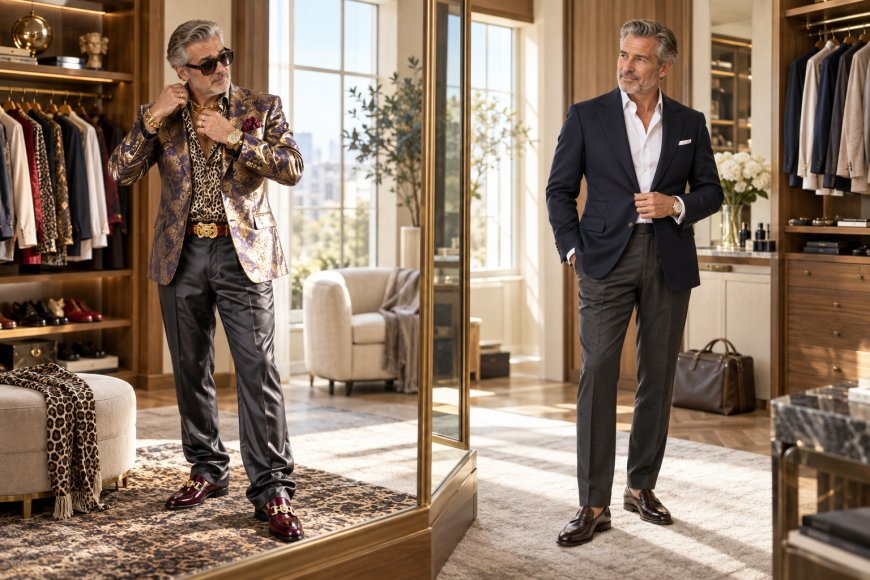
There is a dangerous belief in fashion that expensive automatically means elegant.
A jacket may cost more than a small motorcycle and still make the wearer look as though he borrowed it from a very successful uncle. A handbag may carry a famous logo and still look desperate for attention. A designer dress may have crossed three continents, appeared on a runway, and arrived with a price tag that could frighten an accountant—yet somehow still look ordinary.
Money can buy fabric, craftsmanship, heritage, exclusivity, and occasionally a very intimidating shopping bag.
What it cannot automatically buy is taste.
Expensive clothes can look cheap for one simple reason: elegance is not determined by price alone. It is created by fit, proportion, restraint, grooming, coordination, confidence, and the ability to know when enough is enough.
And in fashion, “enough” is often the most difficult luxury to afford.
The fastest way to make an expensive garment look cheap is to wear it in the wrong size.
A designer suit with sleeves covering the hands does not look luxurious. It looks borrowed. A costly dress that pulls across the body does not communicate sophistication. It communicates tension, both emotional and structural.
Fit is the foundation of appearance.
An affordable jacket that follows the shoulders properly will usually look more polished than an expensive jacket that collapses around the body. Trousers should fall cleanly. Shirts should not strain. Skirts should move naturally. Jackets should close without beginning a private argument with the buttons.
Luxury should appear effortless.
When the garment looks uncomfortable, the viewer becomes uncomfortable too.
The label may say Milan. The fit may say emergency purchase at the airport.
A small logo can signal quality. Twelve logos can signal panic.
Luxury brands often create iconic symbols, but when every visible surface is covered with initials, monograms, emblems, metal plates, and repeating patterns, the clothing begins to resemble advertising space.
True luxury rarely needs to introduce itself repeatedly.
People with confident style do not need every item to announce its price. They allow the shape, fabric, construction, and overall appearance to do the talking.
Wearing one recognizable designer item may look intentional. Wearing a logo belt, logo shirt, logo trousers, logo shoes, logo sunglasses, and logo bag can make you look less like a customer and more like a branch office.
The goal is to wear the brand and should not appear to be wearing you.
The Fabric Looks Artificial
Price does not always guarantee beautiful fabric.
Some costly garments use materials that photograph well but behave poorly in real life. Fabrics may appear overly shiny, stiff, thin, or synthetic under natural light.
Excessive shine is one of the most common reasons clothes look cheap. A suit that reflects office lighting like a newly polished car may not communicate refinement. A glossy shirt may appear festive when the occasion is professional.
Luxury fabrics usually have depth, movement, texture, and subtlety.
They do not need to sparkle from across the parking lot.
Before buying, examine the garment in daylight. Touch it. Move in it. See how it wrinkles, stretches, and catches the light.
A beautiful fabric should support the design, not behave like it is applying for a role in a music video.
Ruffles, chains, embroidery, sequins, crystals, cutouts, oversized buttons, unusual zippers, dramatic shoulders, metallic trim, and decorative straps can all be beautiful.
But not always at the same time.
Expensive clothes sometimes look cheap because too many design ideas have been forced into one garment. The piece may be technically elaborate but visually confused.
Elegance requires editing.
The strongest designs often have one clear focal point. A dramatic collar. A beautiful sleeve. A sculpted waist. An extraordinary fabric.
When everything demands attention, nothing receives it.
A garment should not look as though the designer refused to go home.
An expensive item can lose its impact when combined with the wrong pieces.
A refined cashmere sweater worn with badly distressed jeans, worn-out shoes, and a loud belt may look less luxurious than intended. A delicate designer dress paired with the wrong handbag or heavy footwear can destroy its balance.
Each item in an outfit creates a relationship with the others.
They must speak the same language.
The jacket may be whispering old-world elegance while the shoes are shouting nightclub promotion. The handbag may suggest quiet wealth while the jewelry is attempting to contact satellites.
A successful outfit needs harmony, not merely expensive components.
Fashion is not mathematics. Four expensive items do not always equal one elegant outfit.
Sometimes they equal four expensive mistakes standing close together.
The Shoes Are Neglected
Shoes can expose the entire outfit.
You may wear an immaculate designer suit, but if the shoes are dirty, cracked, badly shaped, or inappropriate, the illusion collapses immediately.
People often underestimate how closely shoes are noticed. They reveal maintenance, awareness, and attention to detail.
Luxury clothing paired with neglected footwear is like serving champagne in a plastic measuring cup.
The drink may still be expensive but the experience is not.
Keep shoes clean, polished, properly shaped, and suitable for the clothing. You do not need many pairs. You need reliable ones.
A good shoe finishes the sentence.
A bad shoe changes the subject.
The Garment Is Poorly Maintained
Expensive clothes require care.
Wrinkles, loose threads, missing buttons, faded fabric, stains, pilling, and sagging collars can make even prestigious garments appear neglected.
Some people believe the label will compensate for the condition.
It will not.
A designer coat covered in lint is still covered in lint.
Clothing must be stored properly, cleaned correctly, pressed carefully, and repaired when necessary. Wooden hangers, garment bags, shoe trees, lint rollers, and basic tailoring often preserve elegance better than buying something new.
Luxury without maintenance becomes expensive clutter.
The price may remain high.
The appearance does not.
The Styling Is Too Trend-Driven
Following every trend can make expensive clothes look temporary.
Oversized shapes, exaggerated sneakers, extreme cutouts, enormous branding, unusual proportions, and seasonal novelty pieces may look exciting for a moment. But when several trends are worn together, the result can appear forced.
Style should not look like a person was attacked by an entire fashion season.
Trends are useful when chosen carefully. One modern piece can refresh an outfit. Too many can remove personality and create the impression that the wearer purchased a mannequin exactly as displayed.
The most elegant people interpret fashion.
They do not copy it without negotiation.
The Underwear Is Wrong
Even the finest garment can be ruined by the wrong foundation.
Visible bra lines, incorrect undergarment colors, bulky waistbands, poor support, and undershirts showing through delicate fabric can disturb the clean structure of an outfit.
What is worn underneath affects what is seen outside.
This is one of fashion’s less glamorous truths.
A smooth silhouette usually requires appropriate undergarments, proper sizing, and careful color choices. Nude tones often work better under light clothing than white. Seamless options may prevent visible lines. Proper support can improve the entire posture of a garment.
The audience should admire the outfit and should not be given a technical demonstration of everything underneath it.
The Clothing Does Not Suit the Wearer
A garment may be beautiful, expensive, and completely wrong for the person wearing it.
Not every trend suits every body. Not every color complements every complexion. Not every silhouette supports every personality.
Trying to wear something simply because it is prestigious can create discomfort and self-consciousness. The result often looks less elegant because the wearer is not at ease.
Clothes should enhance the individual.
They should not erase the individual in favor of the label.
Personal style begins when you understand what works for your shape, lifestyle, age, profession, climate, and personality.
There is no elegance in wearing something magnificent while looking frightened by it.
Jewelry can elevate an outfit. It can also hold a public meeting on the body.
Large earrings, multiple necklaces, stacked bracelets, oversized rings, a statement belt, a jeweled handbag, and embellished shoes may each be impressive individually.
Together, they may look like a small but highly organized treasure department.
The problem is not value. The problem is competition.
Expensive accessories look more luxurious when they are given space. A beautiful watch needs no assistance from six bracelets. A strong necklace may not require dramatic earrings.
Restraint allows quality to be seen.
Excess makes people count.
Visible Brand Mixing
Mixing brands is not automatically a mistake. Mixing loudly competing brands often is.
When several designer labels appear prominently in one outfit, the wearer may seem more interested in displaying purchases than creating style.
Luxury should feel personal, not assembled from receipts.
The finest wardrobes often combine high and low pieces. A designer jacket with a simple shirt. An expensive bag with understated shoes. A tailored coat over affordable trousers that fit beautifully.
Nobody needs to know the price of every item.
They only need to see that the outfit works.
The Color Combination Is Uncontrolled
Expensive clothing cannot rescue a poor color combination.
Rich burgundy, bright orange, metallic gold, deep purple, neon green, and leopard print may all be exciting. Together, they may require traffic control.
Color creates mood, balance, and hierarchy. Luxury often appears through disciplined palettes: tonal dressing, controlled contrast, deep neutrals, soft combinations, or one deliberate accent.
This does not mean expensive clothes must always be beige, black, or navy.
It means color should look chosen, not accidental.
The eye needs somewhere to rest.
Even wealthy eyes become tired.
The Occasion Is Wrong
A luxurious outfit worn in the wrong setting can appear cheap because it suggests a lack of social awareness.
A glittering evening dress at a casual lunch, a tuxedo-style jacket in a relaxed daytime meeting, or dramatic clubwear at a professional function may look less impressive than expected.
Appropriateness is part of elegance.
Knowing how to dress for the moment demonstrates intelligence, sensitivity, and confidence.
The most expensive person in the room is not always the best dressed.
Often, the best-dressed person is simply the one who understood where everyone was going.
The Wearer Is Uncomfortable
Discomfort is visible.
When someone constantly pulls down a skirt, adjusts a collar, touches a neckline, checks a button, or walks cautiously in painful shoes, the clothing begins to look like a costume.
Luxury should create confidence.
It should not require supervision.
Before wearing an outfit to an important event, sit in it. Walk in it. Raise your arms. Bend. Turn. Check whether it stays in place.
An elegant garment should accompany you through the evening.
It should not become the evening’s main problem.
Expensive Clothes Cannot Replace Grooming
Clothing is only one part of appearance.
An expensive suit paired with untidy hair, dry shoes, stained nails, poor posture, or careless grooming will not look complete.
Elegance depends on consistency.
The face, hair, skin, hands, shoes, clothing, and posture all contribute to the same message.
You cannot place a luxury coat over general neglect and expect the coat to perform a miracle.
It is a coat.
Confidence Can Look Expensive
One of the most powerful elements of luxury costs nothing.
Confidence changes how clothing is carried.
A simple black shirt can look sophisticated on someone who stands well, moves calmly, and feels comfortable. An elaborate designer outfit can look insecure on someone who appears to be seeking approval from every person in the room.
Confidence does not mean arrogance.
It means ease.
It means not touching the label, announcing the designer, explaining the price, or waiting for someone to recognize the collection.
When style is genuine, it does not require a press conference.
True Luxury Is in the Details
The expensive look is not always about owning expensive things.
It is about precision.
Clean lines. Proper fit. Thoughtful color. Good grooming. Polished shoes. Controlled accessories. Quality fabric. Calm confidence.
These are the details that create visual value.
A modest wardrobe maintained beautifully can look more luxurious than a closet full of prestigious labels worn carelessly.
The true difference between expensive and elegant is intention.
Expensive clothing may tell people what you paid.
Elegant clothing tells people you know who you are.
Noubi Says: A high price can buy the garment, but only good judgment can make it look valuable.