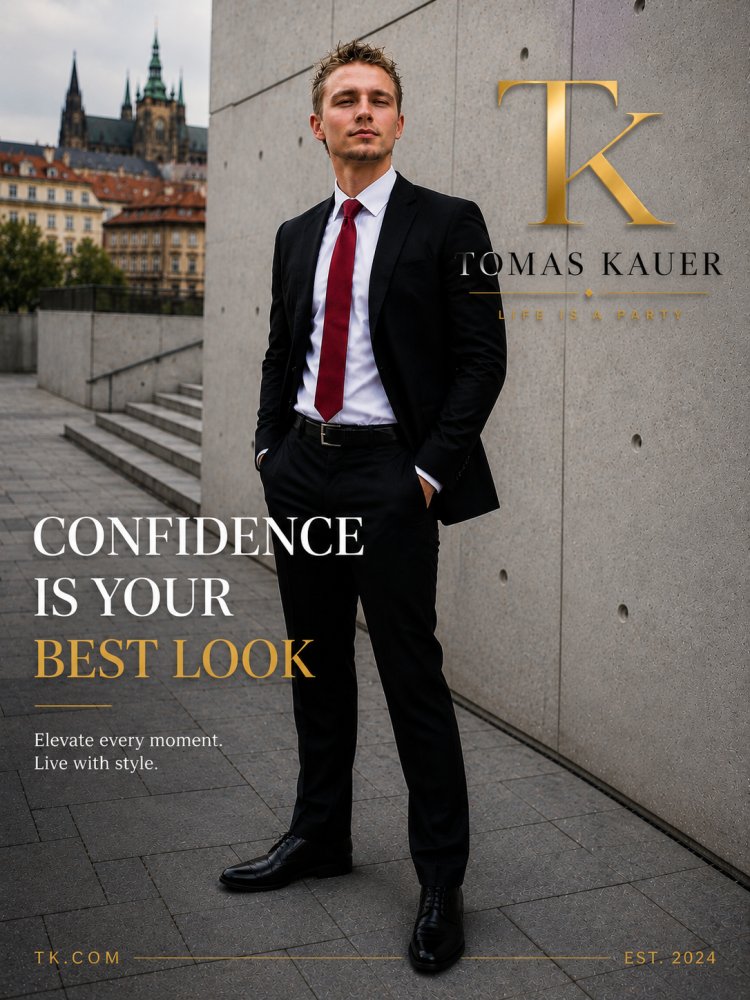
You Can Buy Publicity, But That Cannot Brand Your Name Overnight
Branding promotion makes people notice you. Image-building decides whether they admire you—or quietly press “unfollow.”
 By Noubikko for Noubi Says
Everyone wants to become a brand these days.
One good photograph, three thousand followers, a dramatic pair of sunglasses—and suddenly someone introduces himself as an “international personality.” How international? Perhaps his aunt in California liked the photograph.
Unfortunately, a real brand requires more than confidence, a camera, and an enthusiastic relative abroad.
According to economist, marketing strategist, and lifestyle authority Noubikko P. Ulanday, creating a commercially valuable brand requires the close coordination of two powerful forces: branding promotion and image-building.
Branding promotion introduces your name to the public. Image-building tells the public what that name represents.
One makes you visible. The other makes you valuable.
“Promotion can make people look at you,” Noubikko said. “But image-building determines what they see—and whether they want to look again.”
Branding and Image-Building Are Practically Married
Branding promotion and image-building support each other so closely that separating them is like wearing a beautiful designer jacket with bedroom slippers. Each may be comfortable on its own, but together they create questions.
Branding promotion includes advertising, media coverage, interviews, social-media campaigns, endorsements, events, sponsorships, and public appearances. Its job is to place the name before the market repeatedly until people recognize it.
Image-building gives that exposure direction. It manages the brand’s appearance, behavior, communication style, reputation, values, and public personality.
Promotion says, “Here I am!”
Image-building answers, “And this is why you should care.”
A heavily promoted personality with no clear image may become famous for fifteen minutes—and spend the sixteenth minute wondering what happened. Meanwhile, an excellent product with no promotion may remain the world’s best-kept secret, admired mainly by its owner and possibly the owner’s mother.
A successful campaign needs both.
A Brand Is More Than a Beautiful Face
Professional photographs matter. Clothes matter. Colors, poses, settings, expressions, and presentation all matter. These visual elements quietly communicate confidence, discipline, sophistication, warmth, power, or credibility.
But image-building is not simply about looking attractive.
A brand ambassador may appear disciplined in a photograph, but his behavior must support that image. A company may describe itself as dependable, but customers should not need three emails, two prayers, and a miracle to receive a reply.
“Image-building is not pretending to be someone else,” Noubikko explained. “It is discovering the strongest and most believable version of who you are—and presenting it consistently.”
A handsome face may open the door, but professionalism keeps the door open. Character decides whether anyone invites you back.
Creating a Star Takes More Than One Photoshoot
Promoting a brand usually requires at least one year of intensive development and market testing. Public acceptance is earned through consistency—not demanded through a press release.
During the first year, the name, appearance, message, audience, and commercial potential are carefully introduced and evaluated. Photographs are produced, interviews are arranged, stories are published, appearances are scheduled, and public reactions are studied.
Which image attracted attention? Which story created interest? What did the audience remember? Did they see confidence and credibility—or only a very expensive haircut?
Creating a star is not an overnight project. It requires training in communication, presentation, media relations, public conduct, and sometimes acting or performance. The public personality must learn how to represent not only himself but also every organization, sponsor, and product connected to his name.
Popularity may happen by accident. A sustainable brand rarely does.
The Brand Influences the Price; the Image Influences the Market
Two products may perform almost identically yet sell at dramatically different prices. The difference is often the value attached to the name.
Companies such as San Miguel, BMW, Toyota, McDonald’s, and Jollibee do not sell products alone. They sell familiarity, trust, convenience, experience, prestige, and expectation.
Consumers already know the names. More importantly, they believe they know what those names represent.
“People hesitate to pay a premium price for something they have never heard of,” Noubikko said. “The product has a manufacturing cost, but the brand creates its perceived value.”
In simple terms:
The brand influences the price. The image influences the market.
A wonderful product hidden from the public may never succeed. A famous product with a terrible reputation may not survive. Commercial value grows when the product, promotion, and public image tell the same convincing story.
Building a Brand Requires Real Money
A serious international branding campaign may require an initial investment of approximately US$100,000 or more. In the Philippines, a substantial campaign may begin at around ₱3 million, depending on the campaign’s reach, production quality, professional services, training, advertising, travel, events, and media exposure.
These amounts are estimates—not guaranteed recipes for success.
Paying for promotion does not mean the public is contractually obligated to love you. The market has opinions, and occasionally it has the manners of a strict mother-in-law.
The money may finance the opportunity to be seen, introduced, tested, and remembered. It cannot purchase permanent public acceptance.
Year One: Spend, Introduce, and Pray Politely
The first year is primarily a branding-investment period.
This is when the identity is developed, the image is polished, promotional materials are produced, and the market is tested. Immediate profit should not be the principal expectation.
In other words, the first year is when the brand spends money introducing itself to people who may initially respond, “Excuse me, who are you?”
That question is normal. The purpose of promotion is to make sure they will not need to ask it forever.
Year Two: Familiarity Begins
During the second year, people may begin recognizing the name, face, logo, or product. This is when consistent exposure becomes even more important.
A developing brand cannot appear sophisticated on Monday, reckless on Wednesday, and spiritually confused by Friday. The message, behavior, and presentation must remain recognizable.
Familiarity builds trust—but only when the experience remains consistent.
Year Three: Recognition Meets Revenue
By the third year, a successful brand may begin converting familiarity into income through sponsorships, endorsements, partnerships, appearances, licensing, memberships, advertising, or product sales.
This is the stage when applause should gradually begin paying the electricity bill.
However, revenue depends on whether the brand has created genuine market demand. Thousands of likes may be flattering, but unfortunately, most banks still refuse to accept them as payment.
Year Four and Beyond: Maintain or Disappear
A successful brand may eventually generate stable and recurring revenue. But the work never truly stops.
The market has a short memory and an endless supply of new personalities, products, and competitors. The moment a developing brand becomes silent, another brand is already smiling for the camera.
“The unknown disappears easily,” Noubikko warned. “Even a familiar name can be overshadowed when it stops communicating with its audience.”
Branding is not a single campaign. It is a continuing relationship with the market—and like every relationship, neglect can become expensive.
Branding Investment Comes Without a Refund Counter
Money spent on advertising, production, training, media exposure, travel, and professional services generally cannot be recovered when a campaign fails.
Once a photograph has been produced, an advertisement published, or an event completed, the money has already entered the marketplace. There is no customer-service desk where an investor can return an unsuccessful campaign and say, “It did not make him famous. May I have a refund?”
Branding is risk capital.
The investment becomes even more vulnerable when it involves an individual talent, model, athlete, spokesperson, or brand ambassador. The person may change direction, abandon the campaign, violate an agreement, join a competitor, or become involved in controversy.
This is why proper contracts should address exclusivity, conduct, responsibilities, intellectual-property rights, commercial participation, duration, termination, and protection of development expenses.
Trust is beautiful. A signed contract is also quite attractive.
When a Brand Catches a Cold—or a Scandal
A brand may take years to build and only minutes to damage.
One careless statement, misleading report, public scandal, contractual dispute, or disastrous social-media post can threaten its reputation and commercial value.
When a brand becomes “sick,” professional media relations and crisis communication become its emergency treatment. Damage control may explain the facts, reassure sponsors, repair public confidence, and salvage part of the investment.
But even excellent damage control cannot guarantee complete recovery.
“Reputation management is less expensive before the scandal,” Noubikko said. “Afterward, everyone suddenly becomes a communications expert—including the cousin who caused the problem.”
So, What Is the Return?
Every investor eventually asks the important question: How much will I earn?
The honest answer is that branding offers no guaranteed return.
Its success depends on public response, purchasing power, market timing, competition, management, consistency, economic conditions, and the behavior of the individuals representing the brand.
When successful, however, a strong brand can command higher prices, attract sponsors, expand into new markets, strengthen negotiating power, and create commercial opportunities far beyond the original campaign.
The return may not arrive immediately. The recognition developed today may create revenue several years later.
Branding Makes the Name Known; Image Makes It Worth Knowing
Branding promotion and image-building must move together.
Image-building answers: What will they believe about us?
Promotion without image-building creates noise. Image-building without promotion creates hidden excellence. Together, they can transform an unknown name into a recognized and respected commercial asset.
“Fame attracts attention, but a credible image gives that attention value,” Noubikko concluded. “The strongest brands are not simply seen. They are understood, trusted, and remembered.”
And in today’s overcrowded marketplace, being remembered—preferably for the right reason—is already a major victory