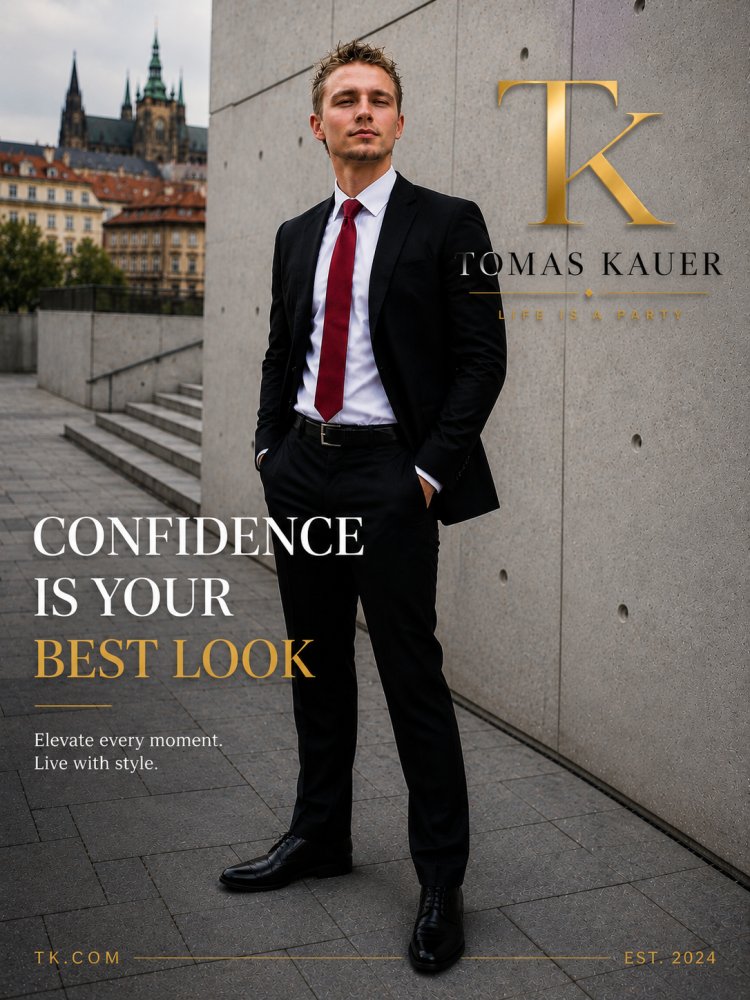
A Beautiful Facade Is Not Yet a Brand—It Is Merely Well Dressed Logo
Branding requires patience, image-building, budget and enough discipline to remain memorable after the applause has ended
 By Noubikko for Noubi Says
Almost everyone wants to become a brand today.
Choose an attractive logo, arrange a glamorous photoshoot, open several social-media accounts—and suddenly we have a “global brand.” Global, perhaps, because one cousin in California and an old classmate in Dubai clicked “Like.”
But a commercially valuable brand is not created by a logo, a beautiful face, or a moment of online attention. It is built through the organized investment of money, media exposure, creative production, image development, professional management, and public trust.
In economic terms, branding is capital.
It is an investment made today in the hope that recognition, credibility, and commercial value will follow tomorrow. Sometimes they do. Sometimes the public smiles politely and continues shopping somewhere else.
That is the rather glamorous—and occasionally cruel—reality of marketing.
Promotion Makes You Visible; Image-Building Makes You Believable
Brand promotion and image-building are closely connected, but they perform different jobs.
Promotion places a name before the public through advertising, news coverage, interviews, social media, events, endorsements, sponsorships, and public appearances.
Image-building determines what people think and feel when they encounter that name. It involves appearance, behavior, communication, values, credibility, reputation, and consistency.
Promotion announces, “Here I am.”
Image-building explains, “This is why I deserve your attention.”
Promotion without image-building may create noise but little meaning. Image-building without promotion may create excellence that nobody knows exists. One attracts the public; the other gives the public a reason to stay.
They must support each other like a perfectly tailored jacket and trousers. Wear only one, and people may remember you—but perhaps not for the reason you intended, Noubikko said.
Creating a Star Is Not an Overnight Delivery
A serious branding campaign normally requires at least one year of concentrated development and market testing.
During this period, the brand’s name, personality, visual identity, message, audience, and commercial potential are introduced and studied. The process may include professional photography, video production, advertising, editorial coverage, interviews, public appearances, communication training, market research, travel, and preparation for reputation management.
Visuals are not made simply to decorate a page. Every color, pose, expression, location, garment, and message quietly influences public perception.
Before a representative speaks, the image has already said something.
Does the person appear disciplined or careless? Approachable or arrogant? Sophisticated or merely expensive? Confident or desperately trying to look confident?
The camera may be silent, but it is a terrible gossip.
Creating a star therefore requires much more than finding an attractive person. A beautiful face may open the door, but character, talent, communication skills, and professionalism determine whether anyone invites that person back.
Public acceptability is earned. It cannot be ordered before lunch and delivered by dinner.
The First Year Is for Investment, Not Instant Celebration
The first year is generally devoted to building and testing the brand.
This is when the market begins learning the name and deciding whether it is credible, interesting, relevant, or easily forgotten. It is usually an investment year—not necessarily a profitable one.
Depending on the scale and intended market, an international brand-development campaign may require an initial investment of approximately US$100,000 or more..
The actual cost may be considerably higher depending on media reach, creative production, professional training, advertising frequency, travel, public appearances, legal protection, and the duration of the campaign.
These figures are estimates, not a guaranteed formula for success.
Paying for publicity gives a brand the opportunity to be seen. It does not legally require the public to become impressed.
The Brand Influences the Price; the Image Influences the Market
Product promotion is one of the most unforgiving parts of marketing. Consumers rarely pay a premium price for something they do not recognize or trust.
A product may be excellent, beautifully made, and reasonably priced. But if nobody has heard of it, it may remain on the shelf looking deeply misunderstood.
Branding creates familiarity. Familiarity encourages confidence. Confidence influences the decision to buy.
This is why established companies such as BMW, Toyota, McDonald’s, and KFC possess a commercial advantage. Their value does not come only from the products they sell. It also comes from the expectations attached to their names.
Consumers may be buying quality, but they are also buying familiarity, convenience, prestige, reassurance, experience, and social meaning.
Two products with similar functions and production costs can therefore command very different prices.
The physical product has a manufacturing cost. The brand adds perceived value.
The brand influences the price. The image influences the market.
The Four-Year Journey from Unknown to Marketable
There is no universal timetable for creating a successful brand, but the process commonly develops through four stages.
Year One: Who Are You?
The first year establishes the identity, appearance, message, values, and market position of the brand.
This is when the public encounters the name and understandably asks, “Who are you?”
The campaign’s job is to make certain they will not need to ask forever.
Year Two: Haven’t I Seen You Somewhere?
During the second year, recognition and familiarity may begin to develop.
People start remembering the name, face, logo, product, or organization. Continued visibility becomes essential because an emerging brand can disappear quickly when promotion stops.
The market has a short memory and an unlimited supply of attractive distractions.
Consistency also matters. A brand cannot appear disciplined on Monday, reckless on Wednesday, and spiritually confused by Friday. Every public message and appearance must support the same identity.
Year Three: Can This Recognition Earn Money?
If public response is positive, the brand may begin converting familiarity into revenue.
Commercial opportunities may include sponsorships, endorsements, partnerships, advertising, appearances, licensing, memberships, and product sales.
This is the stage when popularity should begin doing something useful—such as helping to pay the bills.
Social-media likes are lovely, but most landlords remain strangely unwilling to accept them as rent.
Year Four and Beyond: Stay Relevant or Make Room
A successful brand may eventually generate recurring revenue and stronger commercial opportunities.
However, recognition must still be protected through continued communication, innovation, quality control, and reputation management.
Branding is not a one-time performance followed by permanent applause. The moment a developing brand becomes silent, another name is already standing under better lighting and smiling for the camera.
Branding Comes With No Refund Counter
Like every serious business investment, branding involves risk.
Money spent on advertising, photography, video production, training, media placement, travel, events, and professional services generally cannot be recovered simply because the campaign failed.
Once the advertisement has been published and the event completed, the investment has already entered the market. There is no customer-service counter where one can return an unsuccessful campaign and say, “It did not make him famous. I still have the receipt.”
Branding capital should therefore be treated as risk investment.
The danger becomes greater when the campaign depends on an individual talent, model, athlete, brand ambassador, spokesperson, or public personality.
The person may abandon the program, violate an agreement, change direction, become involved in controversy, or carry the popularity developed by one organization to a competitor.
Trust may be beautiful, but a carefully prepared contract is also extremely attractive.
Agreements should define the duration of the engagement, exclusivity, conduct, media responsibilities, intellectual-property rights, commercial participation, termination conditions, and protection of development expenses.
What Happens When a Brand Becomes Sick?
A reputation may take years to build and only a few careless minutes to damage.
Scandal, misconduct, misinformation, contractual disputes, poor service, or an unfortunate social-media performance can quickly reduce public confidence and commercial value.
When a brand becomes “sick,” professional media relations and crisis communication become its emergency treatment.
Damage control may clarify facts, reassure sponsors, rebuild trust, and preserve part of the investment. But it cannot promise a complete recovery.
Prevention is almost always less expensive than rehabilitation—and considerably less embarrassing.
So, Where Is the Return on Investment?
This is the question every investor eventually asks, usually after the invoices begin arriving:
How much will I earn?
The honest answer is that no responsible marketing professional can guarantee a specific return.
Results depend on public reaction, purchasing power, competition, economic conditions, timing, management, consistency, and the conduct of those representing the brand.
When successful, however, branding can create value far beyond the original campaign. A respected brand may command higher prices, attract sponsors, increase negotiating power, enter new markets, and create opportunities that were impossible when the name was still unknown.
The return may develop gradually. Recognition created during the first year may not produce significant income until the third or fourth year.
Branding rewards patience, but it has never promised to be punctual.
The Name Itself Can Become the Asset
Branding is not simply the pursuit of popularity. Popularity attracts attention, but it does not automatically create lasting commercial value.
A valuable brand needs recognition, a credible image, public confidence, consistent delivery, legal protection, professional management, and enough financial support to survive the period when everybody is still asking, “Who?”
Products can be copied. Advertisements can be forgotten. Personalities can lose popularity. But when a name earns public trust, the name itself becomes an asset.
That is the real economics of branding.
Or, to put it the Noubi Says way:
Promotion makes them look. Image-building makes them believe. Consistency makes them remem