
Graceful Travel After 50: See More of the World Without Punishing Your Knees
Travel after 50 can be one of life’s greatest pleasures. You may have more confidence, better taste, greater curiosity, and enough experience to know that a holiday should not require emotional recovery afterward. You no longer need to prove that you can visit five countries in seven days, sleep in an airport, carry a suitcase the size of a refrigerator, and survive entirely on coffee and optimism. At this stage of life, travel can become more thoughtful.
 By Noubikko for Noubi Says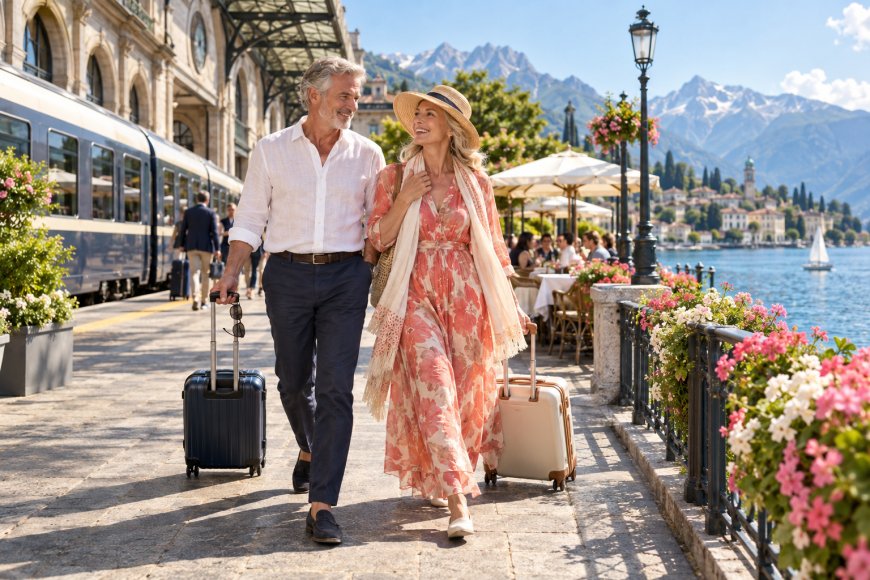
You can stay longer, choose better hotels, eat more slowly, dress more elegantly, and stop pretending that waking up at 4:00 in the morning for a discount flight is part of the adventure.
Graceful travel after 50 is not about doing less because you are older.
It is about enjoying more because you are wiser.
Stop Traveling Like You Are Still Twenty-Five
At twenty-five, a traveler may accept a hostel bunk, an overnight bus, two hours of sleep, and a breakfast consisting of one banana purchased near a train station.
After 50, the same arrangement may require three days of rest, a massage, and a serious conversation with the lower back.
There is no shame in changing how you travel.
You are not less adventurous because you prefer a proper bed. You are not difficult because you want an elevator. You are not extravagant because you would rather arrive at a reasonable hour.
Comfort is not weakness.
It is intelligence acquired through experience, Noubikko said.
Travel should expand your life, not leave you unable to walk normally until the following Thursday.
Choose a Comfortable Pace
The greatest luxury in mature travel is time.
Avoid building an itinerary that treats every city like an emergency.
One museum, two churches, a palace, a market, a boat tour, a fashion district, dinner, and a nighttime performance may sound impressive on paper.
In reality, by 3:00 in the afternoon, nobody cares about the palace. Everyone is searching for a chair.
Plan one or two major activities each day. Leave space for lunch, rest, unexpected discoveries, and the occasional need to return to the hotel because someone wore the wrong shoes.
Stay longer in fewer places.
Three or four nights in one city allow you to understand its rhythm. You can revisit a neighborhood, discover a favorite café, and enjoy a destination beyond the most famous attractions.
Travel should not feel like a police chase.
A slower pace gives beauty enough time to be noticed.
Select Destinations That Cooperate With You
Some destinations are naturally easier for travelers over 50.
They offer reliable transportation, quality hotels, good healthcare, safe streets, manageable distances, and enough cafés to support regular sitting.
Compact cities can be wonderful, particularly when major attractions are close together. Scenic train journeys allow travelers to enjoy landscapes without unpacking every morning. River cruises can offer culture, comfort, and transportation in one organized experience.
Resort towns, wellness retreats, coastal villages, and historic cities with excellent public transport can also provide relaxed and elegant travel.
Study the terrain before booking.
A “charming hilltop village” may mean extraordinary views and forty-seven staircases. A “historic property” may mean no elevator. A “short walk from the station” may have been measured by a twenty-two-year-old athlete carrying no luggage.
Beautiful destinations are still beautiful when approached intelligently.
Choose accommodation near the places you most want to visit. A slightly more expensive hotel in a convenient location may save money, time, and several heated discussions involving a map.
Health Should Travel With You
Good travel begins before departure.
Schedule routine medical appointments when necessary. Make sure prescriptions are current and carry enough medication for the entire trip, plus a reasonable extra supply in case of delays.
Keep medication in your hand luggage.
Never place essential medicine exclusively in a checked suitcase unless you are comfortable with the possibility that it may begin its own independent tour of Europe.
Carry a written list of medications, dosages, allergies, medical conditions, and emergency contacts. Keep digital and paper copies of important information.
Travel insurance becomes increasingly valuable with age, especially when it includes medical care, trip interruption, and emergency assistance.
Read the policy carefully.
Insurance language has a special ability to appear reassuring while explaining almost nothing.
Know what is covered before something goes wrong.
Build Movement Into the Journey
Travel often involves more walking than expected.
Museums are large. Historic centers are uneven. Railway platforms are mysteriously distant. Airports seem to expand whenever your gate is announced.
Prepare your body before the trip.
Regular walking, light strength training, stretching, and balance exercises can make travel much easier. Even a few weeks of preparation may improve stamina.
During long journeys, move whenever practical. Stretch your legs, change position, and avoid sitting motionless for excessive periods.
Compression socks may be appropriate for some travelers, particularly when recommended by a medical professional.
They are not always glamorous.
Neither is arriving with ankles shaped like decorative cushions.
Choose comfortable shoes with support and proper grip. Break them in before departure.
The elegant traveler understands that footwear is not successful merely because it looks beautiful while standing still.
Sleep Is Part of the Itinerary
Sleep should not be treated as wasted travel time.
A tired traveler becomes impatient, forgetful, less stable, and suddenly capable of starting an argument over a hotel pillow.
Plan arrival days gently.
After a long flight, avoid scheduling a major tour, formal dinner, and evening performance simply because the calendar had an empty space.
Allow time to adjust.
Choose hotels known for quiet rooms, comfortable beds, effective temperature control, and good curtains. Request rooms away from lifts, nightclubs, streets, kitchens, and wedding venues when possible.
A beautiful hotel is less beautiful when a party beneath your window continues until breakfast.
Protect your sleep.
The cathedral will still be there after a proper rest.
It has already waited several centuries.
Pack Elegantly, but Pack Less
Mature travelers often understand quality.
The challenge is resisting the desire to bring all of it.
A suitcase should contain a coordinated wardrobe, not the complete history of your personal style.
Choose a simple color palette and pack clothes that work together. Bring lightweight layers, breathable fabrics, wrinkle-resistant pieces, and outfits that can move from daytime sightseeing to dinner.
A good jacket, refined trousers, an elegant dress, polished walking shoes, a scarf, and tasteful accessories can create several looks without excessive luggage.
Pack for the actual destination.
Do not bring five formal outfits for a trip involving villages, trains, and afternoon tea. Do not pack only leisurewear when staying in elegant hotels and dining in historic restaurants.
Bring one or two pieces that make you feel especially attractive.
Travel after 50 is not a reason to disappear into beige clothing with too many pockets.
Comfort and elegance can live together.
They simply need to be introduced properly.
Use Luggage That Does Not Fight Back
Select lightweight luggage with strong handles and smooth wheels.
A beautiful suitcase that becomes impossible to control on a railway platform is not luxurious. It is an attractive enemy.
Use packing cubes to organize clothing and keep essentials accessible. Carry documents, medication, electronics, valuables, and one change of clothes in your hand luggage.
Avoid filling the suitcase to its absolute limit before departure.
You may buy something during the trip.
And even when you promise not to shop, you may discover a scarf, jacket, ceramic bowl, antique book, or decorative object that apparently cannot continue its life without you.
Leave space.
Your back will appreciate it, and your suitcase zipper will experience less emotional strain.
Choose Flights and Trains More Carefully
The cheapest option is not always the best value.
A flight leaving at dawn may require waking at 2:00 in the morning, paying for an expensive taxi, missing breakfast, and spending the first holiday day feeling as though you have crossed several time zones even when you have not.
Direct flights can reduce stress, missed connections, and luggage complications.
When possible, choose reasonable departure times, manageable connections, and seating that supports your comfort.
An aisle seat may allow easier movement. Extra legroom can be worth the cost on long journeys. Airport assistance should be requested when needed.
Using assistance is not admitting defeat.
Airports are enormous buildings designed around the assumption that everyone enjoys walking quickly while carrying belongings.
Train travel can be especially pleasant after 50.
It often provides more space, easier movement, city-center arrivals, and scenic views. First-class rail tickets may include quieter carriages, larger seats, and better luggage storage.
That is not indulgence.
That is protecting the knees while admiring the countryside.
Eat and Drink With Pleasure and Judgment
Food is one of travel’s greatest joys.
Enjoy local dishes, stylish cafés, fine restaurants, markets, bakeries, and regional specialties.
But listen to your body.
A seven-course dinner followed by rich dessert, strong coffee, and several glasses of wine may feel celebratory in the evening and become a personal investigation the following morning.
Balance indulgent meals with lighter ones. Stay hydrated. Carry water during sightseeing. Eat regular meals, particularly when taking medication.
Do not spend an entire day walking on one pastry because you were “too busy.”
Hunger makes people tired, irritable, and strangely willing to enter the first restaurant displaying photographs of every dish.
Moderation does not mean refusing pleasure.
It means enjoying the evening without allowing dinner to cancel tomorrow.
Schedule Rest Without Apology
A midday rest can improve the entire trip.
Return to the hotel, change clothes, take a shower, enjoy tea, sit on the balcony, or close your eyes for thirty minutes.
This is not wasting the destination.
It is ensuring you are awake enough to appreciate it.
Travelers sometimes become guilty when resting because they believe every moment should be used productively.
You are not managing a factory.
You are on holiday.
A relaxed afternoon may allow you to enjoy an evening concert, dinner, or walk with far more energy.
Even historic cities understand the value of rest.
Many of them close several things after lunch.
Follow the wisdom of civilization, Noubikko said.
Dress for Confidence, Not Camouflage
Travel after 50 should remain stylish.
You do not need to dress younger. You need to dress well.
Choose clothes that fit properly, flatter your shape, suit the climate, and allow comfortable movement. Elegant travel style is often about excellent basics, quality fabrics, clean lines, thoughtful layers, and good grooming.
Avoid clothing that feels like a costume.
You do not need to dress like a twenty-five-year-old influencer standing on a rooftop in clothing completely unrelated to the weather.
Youth is not a dress code.
Confidence is.
A well-cut shirt, elegant jacket, refined knit, flattering dress, stylish eyewear, polished shoes, and beautiful scarf can create more presence than a wardrobe chasing every trend.
Your goal is not to look younger than you are.
It is to look so good at your age that nobody understands why youth was supposed to be the advantage.
Accept That Technology Can Help
Smartphones, translation apps, digital maps, airline applications, and electronic tickets can make travel easier.
Learn how to use essential tools before departure.
Do not wait until you are standing inside a railway station with two percent battery and seven platforms to begin understanding the ticket app.
Carry a power bank and the correct charging adapters. Save copies of bookings, addresses, and tickets where they can be accessed offline.
Technology is useful, but never depend on it completely.
Keep the hotel address written on paper. Carry a physical payment card and some local currency. Know the name of the nearest station.
A phone can lose power.
Paper has never asked for a password.
Ask for Help Before It Becomes an Emergency
Graceful travel includes knowing when assistance is useful.
Ask hotel staff to arrange transport. Use porters when luggage is heavy. Request accessible rooms when needed. Take a taxi instead of walking another two kilometers in painful shoes.
There is no prize for suffering silently.
You have reached an age where you are allowed to make sensible decisions without consulting the imaginary opinions of strangers.
A mature traveler should not be embarrassed to say, “I need to sit,” “I cannot manage those stairs,” or “Please call a car.”
This is not weakness.
It is clarity.
The people pretending everything is fine are often the same people applying ice to their knees later.
A slower itinerary does not mean a boring one.
It creates space for unplanned experiences.
You may discover a quiet garden, local exhibition, small church, neighborhood café, traditional market, or conversation with someone who changes how you see the destination.
Spontaneity is easier when the schedule is not already collapsing under its own ambition.
Do not fill every hour before leaving home.
A journey needs breathing room.
Otherwise, every unexpected pleasure becomes an inconvenience because you are late for something else.
The most memorable moments often happen between the planned ones.
Travel Companions Matter More With Age
The person you travel with can improve the journey or turn breakfast into a negotiation.
Choose companions with compatible pace, interests, budgets, sleep habits, and expectations.
One person may want to begin sightseeing at sunrise. Another may believe morning is a rumor invented by hotels to justify serving breakfast.
Discuss the itinerary honestly.
Will you separate for some activities? Who handles bookings? How much walking is comfortable? What level of hotel and dining does everyone expect?
Travel after 50 is too valuable to spend it following someone else’s exhausting schedule while quietly developing resentment.
Good companions understand that separate interests are healthy.
One person can visit the museum while another enjoys the spa.
You can love someone deeply without needing to inspect every ancient vase together.
Do Not Let Age Become an Excuse to Stop
Graceful travel is not about becoming overly cautious.
It is about preparing well enough to remain curious.
Try new foods. Visit unfamiliar places. Learn about art, culture, architecture, fashion, faith, and local traditions. Take the scenic train. Join the walking tour at your own pace. Dress for dinner. Speak to people.
Age can bring hesitation, but it also brings judgment.
You know what matters. You recognize quality. You understand that discomfort is temporary, but good memories can last.
Do not allow younger travelers to define adventure only as speed, risk, and lack of sleep.
Adventure can also mean entering a beautiful city slowly, understanding it deeply, and returning to a hotel where someone has already turned down the bed.
The Finest Travel May Begin After 50
Travel after 50 can be richer than travel in youth.
You notice details. You value service. You understand history differently. You may have more patience for museums, more appreciation for architecture, and less desire to spend an evening inside a nightclub where nobody can hear anyone.
You begin to recognize that travel is not about proving how much you can endure.
It is about experiencing how much life still offers.
Take the comfortable train. Book the room with a view. Rest in the afternoon. Wear the elegant jacket. Order dessert when you truly want it.
Walk at your own pace.
You do not need to pretend you are twenty-five.
At twenty-five, you may have had more energy.
But now you have better shoes, better judgment, and hopefully enough sense to avoid a six-bed hostel above a bar.
That is not getting older.
That is traveling beautifully, Noubi said