Your Profile Photo Says About You Before You Say Anything
Before someone reads your biography, checks your credentials, or discovers that you are actually very charming in person, they will probably look at your profile photo. And in less than a second, your photograph has already introduced you. It may say, “I am confident.” It may say, “I am approachable.” It may say, “I took this photo in 2014 and refuse to accept the passage of time.”
 By Noubikko for Noubi Says
Your profile photo is no longer just a picture. It is your digital handshake, your online calling card, and sometimes your unofficial public relations department. Whether it appears on LinkedIn, Facebook, Instagram, a company website, or a dating application, it quietly creates an impression before you have the opportunity to explain yourself.
The Photo That Says, “I Mean Business”
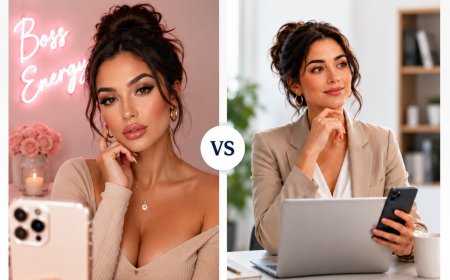
A clear, well-lit photograph with good posture, appropriate clothing, and a calm expression usually communicates confidence and professionalism.
You do not need to look severe. There is a difference between looking serious and looking as though you have just discovered an accounting irregularity.
A slight smile can make you appear competent without seeming intimidating. Clean clothing, proper grooming, and an uncluttered background suggest that you pay attention to detail.
For professional platforms, your photograph should look like the person who will actually arrive at the meeting.
If your photo shows a 30-year-old version of yourself but a 60-year-old person appears at the appointment, people may wonder whether they contacted you or your father.
The Photo That Says, “I Am Friendly”
A genuine smile, relaxed shoulders, and warm eye contact make people feel that you are approachable.
This is especially important for professionals whose work depends on trust, such as consultants, doctors, teachers, entrepreneurs, designers, and anyone who regularly says, “Let us schedule a quick meeting.”
A friendly photograph does not require an exaggerated grin. You are presenting yourself, not auditioning for a toothpaste advertisement.
The goal is to look open and confident, as though people can speak to you without first preparing a formal written request.
The Photo That Says, “I Am Creative”
Creative professionals often use more expressive photographs. A distinctive background, interesting clothing, unusual framing, or artistic lighting can communicate individuality.
This works well when the visual style is intentional.
There is a difference between artistic and accidental.
A black-and-white portrait with dramatic lighting may look sophisticated. A dark, blurry photo taken beside a refrigerator may simply look like the electricity was about to be disconnected.
Creative expression should still support your identity. Your photograph should help people understand your personality, not require them to solve it.
The Photo That Says, “I Do Not Care”
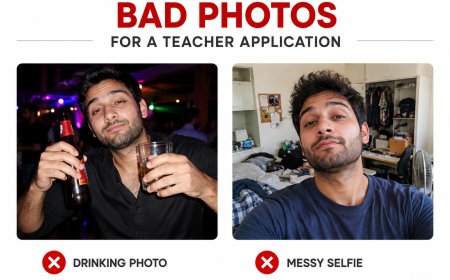
Poor lighting, distracting backgrounds, cropped group photos, and low-resolution images can create the impression that you are careless—even when you are not.
A profile picture taken inside a car may be acceptable occasionally, but it can also suggest that your entire professional life happens in a parking area.
A bathroom mirror selfie may show confidence, but it may also reveal more about your towels than your qualifications.
People often interpret visual effort as personal effort. When your image appears thoughtful and polished, they may assume your work is thoughtful and polished too.
Fair? Not always.
Using a group photograph as your profile picture creates an immediate question:
Which one are you?
People should not need to conduct an investigation.
If there are six people in the photograph and you are standing behind someone wearing a large hat, your profile photo is not introducing you. It is presenting a puzzle.
Your primary image should feature you clearly. Group photographs belong in albums, event posts, and family celebrations—not in the small circle meant to identify your face.
The Sunglasses Problem
Sunglasses can make you look stylish, mysterious, or possibly unavailable for questioning.
They are excellent for travel and fashion photographs, but they are not always ideal for a main profile image. Eye contact creates connection, even through a screen. When people cannot see your eyes, they may find it harder to read your expression.
One photograph in sunglasses can look glamorous.
Every photograph in sunglasses may suggest that you are either a celebrity or hiding from one.
What Your Clothing Communicates
Your clothing contributes strongly to the message of your profile photo.
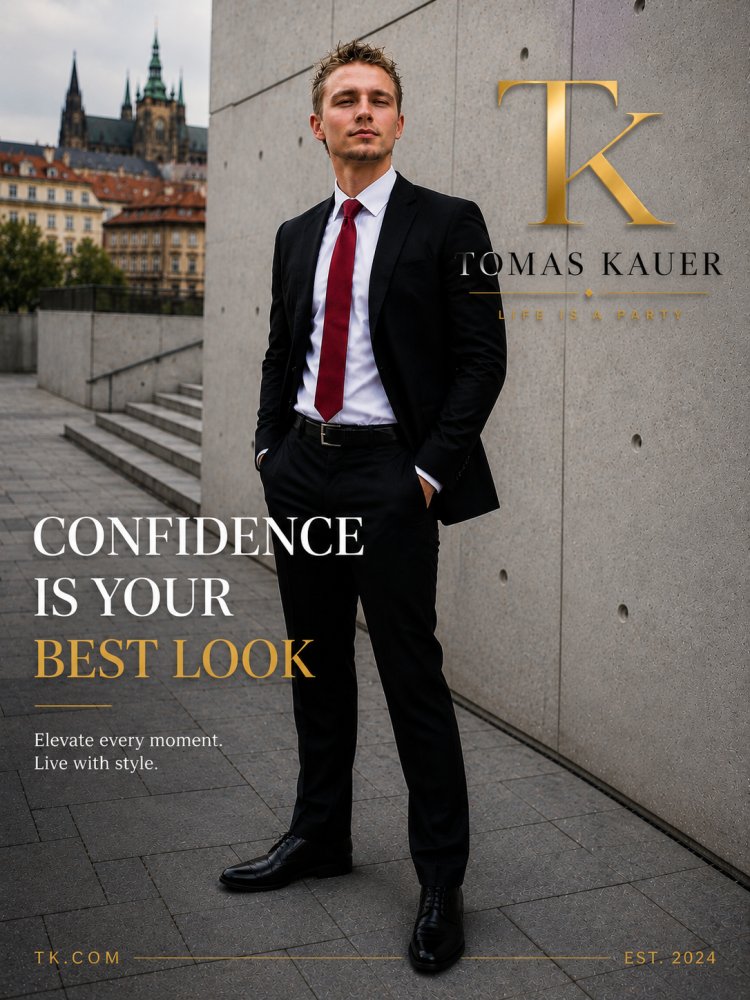
A well-fitted jacket may communicate authority. A crisp white shirt may suggest reliability. All-black clothing can project sophistication, confidence, and control—provided the lighting allows people to see where your shoulders end and the background begins.
Color also influences perception. Navy often appears trustworthy. White looks clean and direct. Earth tones can feel warm and approachable. Bright colors may suggest creativity and energy.
The best outfit is not always the most expensive one. It is the one that supports the impression you want to create.
The clothes should frame you, not compete with you.
If people remember your enormous floral collar but forget your face, the collar has successfully stolen your career.
The Background Is Also Speaking
A background can strengthen or weaken your image.
An office may communicate professionalism. A stylish interior can suggest taste. A garden may create warmth and calm. A city background can support a travel or lifestyle identity.
But backgrounds should remain backgrounds.
Laundry, open cabinets, unmade beds, food containers, and mysterious people walking behind you all become part of your personal brand whether you intended it or not.
A slightly blurred background is often effective because it keeps attention on your face while still creating atmosphere.
Your surroundings should support your story, not begin a separate one.
Authenticity Matters
The most effective profile photos are polished without looking artificial.
Editing can improve lighting, remove distractions, or soften minor imperfections. But excessive editing can make you look less like a person and more like a very expensive candle.
People want to recognize you.
Your profile photo should show your best self, not an entirely fictional relative with flawless skin, different bone structure, and no visible connection to human aging.
Good presentation is not deception. It is clarity.
Your Photo Should Match Your Purpose
Different platforms may require different photographs.
A professional image for LinkedIn may feature formal clothing and a simple background. Instagram may allow more personality and creativity. A company biography may require a polished editorial portrait. A dating profile may benefit from a warm, natural photograph that proves you occasionally leave the office.
The message should be consistent, even when the style changes.
You are still the same person. You are simply wearing the appropriate visual language for the room you are entering.
The Final Test
Before choosing a profile photo, ask yourself:
Does this image look current?
Can people clearly see my face?
Does it reflect how I want to be perceived?
Would someone recognize me in person?
And most importantly, does this photo say what I want it to say—or is it announcing something I never intended?
Your profile photo is small, but its influence is not.
It can create trust, curiosity, warmth, authority, or confusion before a single word is exchanged.
In the digital world, people may meet your photograph long before they meet you.
Make sure it introduces you properly.
Because your profile photo is already speaking.
The only question is whether it is saying, “This is someone worth knowing,” or, “Please excuse the background. I did not realize the camera could see the laundry. — Noubi Says