Design Tips Inspired by Noubikko’s Philosophy,
Noubikko’s philosophy: lending haute couture fashion, emotional design, and spatial storytelling. These are drawn from his public interviews, design portfolios, and overarching design ethos:
 By Noubikko for Noubi Says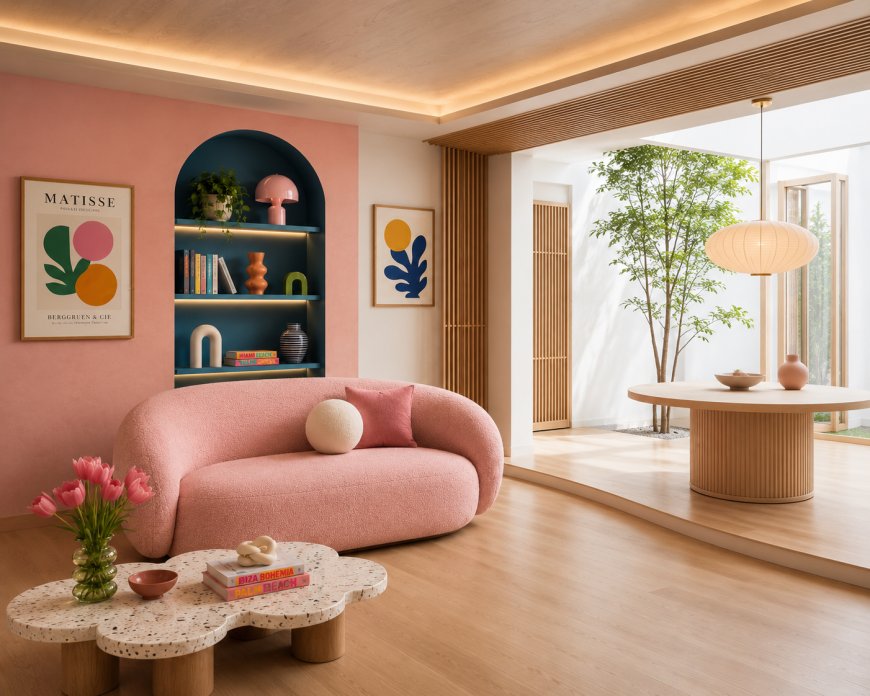
1. Treat Each Space Like a Fashion Statement
"Your space is your second skin."
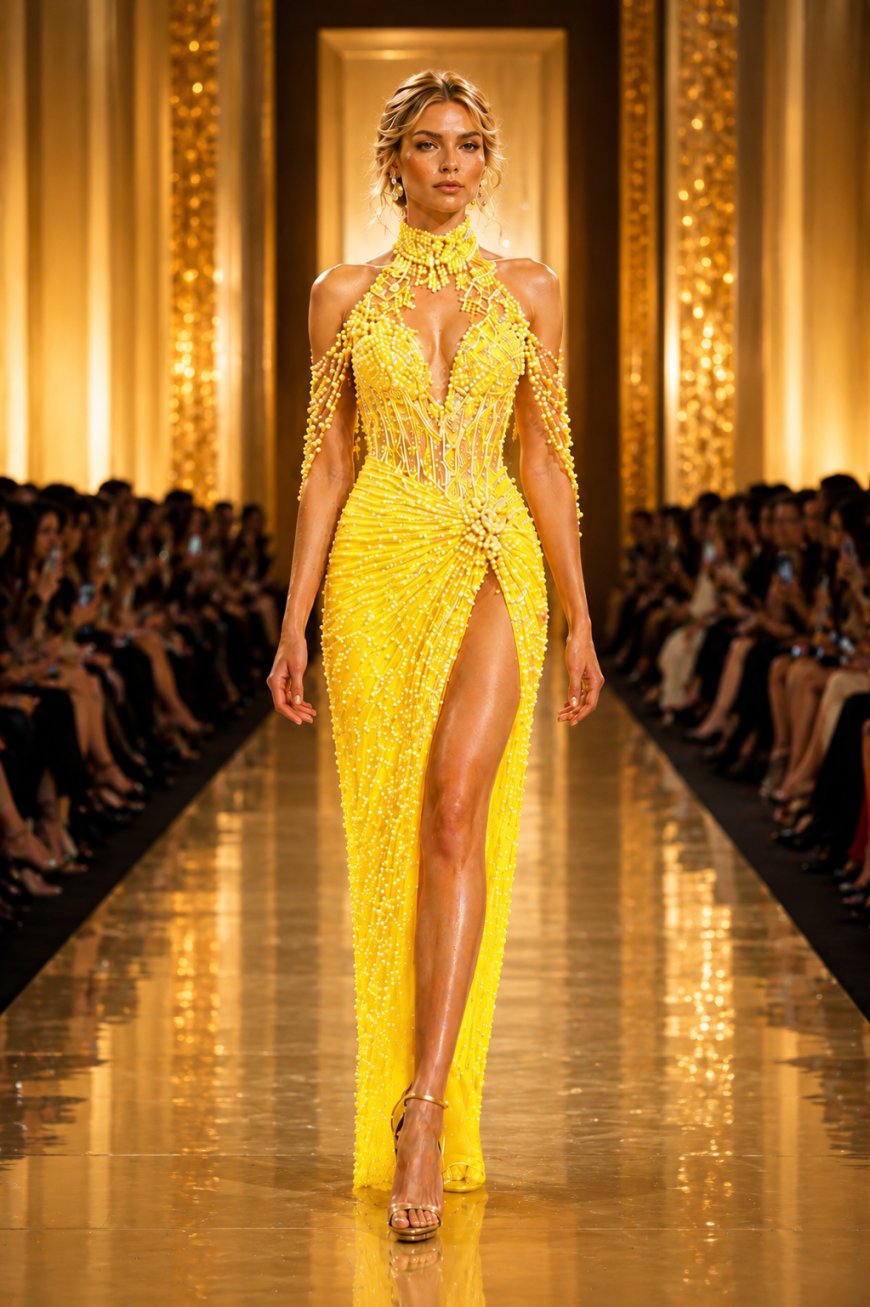
Just like fashion reflects your personality, interiors should mirror your identity. Noubikko recommends designing rooms with the same precision and creativity as you would craft a custom couture dress—tailored, intentional, and expressive.
2. Feng Shui is Not a Trend—It’s a Foundation
"Energy flow defines the harmony of the space."
Noubikko incorporates Feng Shui principles subtly—not by overdecorating with symbols, but by optimizing natural flow, lighting, and symmetry. A clutter-free entryway and clean lines help positive energy move fluidly throughout a home or business.
3. Use Color Like a Storyteller
Noubikko advises choosing a dominant emotion and then selecting colors to match it:
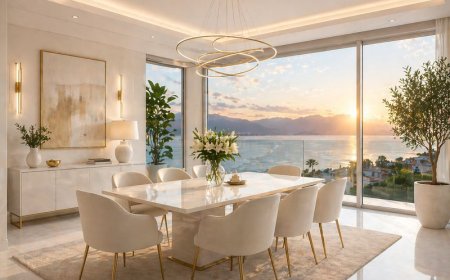
- Peaceful? Use muted greens, earth tones, and soft golds.
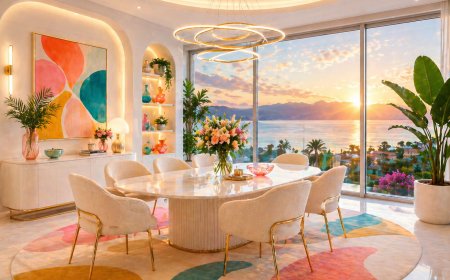
- Bold? Embrace crimson, deep blue, or textured blacks.
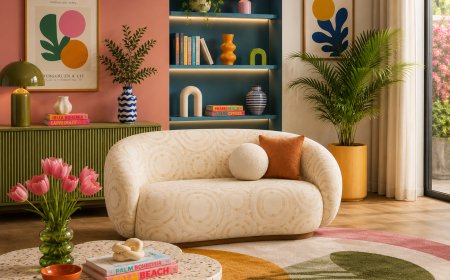
- Romantic? Mix pale rose, champagne, and warm neutrals.
4. Custom Furniture is the Ultimate Luxury
He believes off-the-rack furniture often lacks soul. Instead:
“Every major furniture piece should be like a sculpture.”
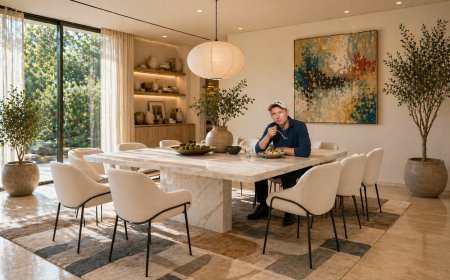
Choose or commission statement furniture that blends art and function. Noubikko’s interiors often feature curved silhouettes, inlaid natural materials, and luxe upholstery.
5. Global Taste, Local Soul
Even if your inspiration is international—Parisian, Scandinavian, or Japanese—your interior must feel personal. Noubikko blends international aesthetics with local culture and client lifestyle for a space that feels unique, not copy-paste from Pinterest.
6. Lighting = Mood
Noubikko emphasizes layered lighting:
- Ambient (soft, room-wide)
- Task (focused: reading, makeup, desk)
- Accent (emotional: highlighting art, plants, etc.)
He often uses chill-lighting and backlit panels for a Zen feel, especially in wellness or hospitality spaces.
7. Design with Emotional Intention
"Rooms should make you feel something when you enter."
Each space should have a primary emotion and a storyline. Avoid mixing too many design languages. For example, a meditation room should radiate peace—not compete with loud color or harsh light.
8. Art & Accessories Should Be Conversations
Don’t over-accessorize. Use intentional art—whether a bold sculpture, fashion portrait, or vintage textile. Noubikko prefers one striking piece over a clutter of smaller ones.
9. Mirrors Are Emotional Amplifiers
Strategic use of mirrors is key:
- Reflect nature or light sources
- Never reflect clutter or harsh angles
- Use organically shaped mirrors for softness and intrigue
10. Luxury is Quiet
His mantra:
"True luxury whispers. It doesn’t scream."
That means refined textures, hidden details, and crafted finishes over flashy displays. Understated luxury—like real wood grains, pearl-inlaid cabinet handles, or handwoven rugs—has lasting impact.
Interiors and Zen-inspired design are an exceptional pairing in the world of luxury interiors: